:format(webp))
:format(webp))
Why Top Clients Skip Estimates and What You Can Do Instead
Ever wondered why some of the savviest brands never ask for a detailed cost estimate? In this article, you’ll discover the psychological traps behind estimates, alternative pricing models that align incentives, the key questions you should ask before you commit—and how to form partnerships that focus on outcomes, not line items.
The Hidden Pitfalls of Traditional Estimates
Agencies often default to line-item budgets, but those figures can mislead as much as they guide.
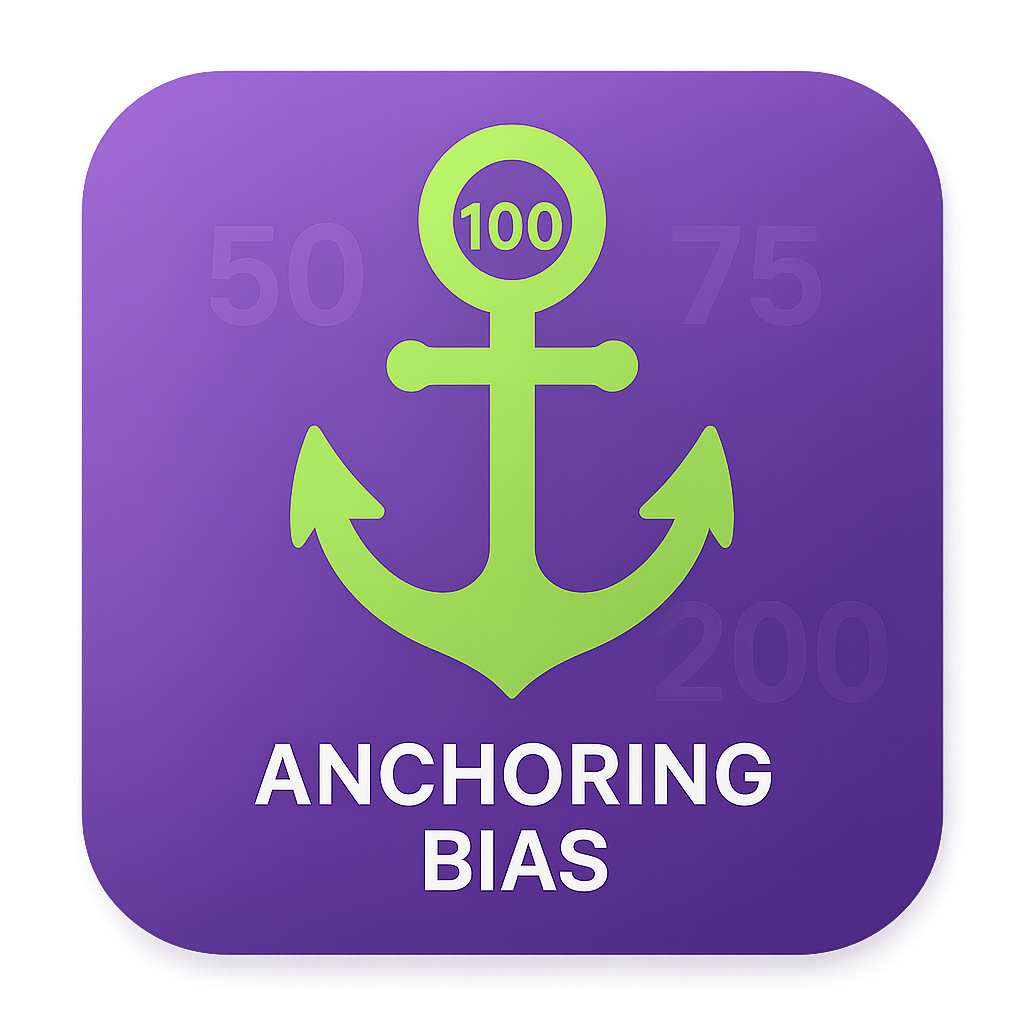
Anchoring Bias and Early Numbers
When you hear a preliminary cost, that number sticks in your mind—even if it’s adjusted later. Psychologists call this anchoring bias, and it can limit your team’s willingness to explore better solutions beyond the initial quote ( study on anchoring bias by Simply Psychology ).
Scope Creep and Endless Tweaks
Focusing on each task’s cost encourages constant renegotiation. In contrast, outcome-driven agreements reduce mid-project changes, helping teams deliver on time and under fewer revisions ( Project Management Institute on scope creep ). This phenomenon, often referred to as scope creep in project management, underscores the importance of establishing clear project boundaries from the outset.
Decision Fatigue in Procurement
Reviewing countless line items drains energy and slows approvals. One New York Times feature found executives make worse choices after repeated decisions in a day (“decision fatigue”) ( NYT on decision fatigue ).
Shifting to Outcome-Based Models
To sidestep estimate traps, many clients adopt payment structures that tie success to results.
Model | Description | Key Benefits |
|---|---|---|
Percent-of-Revenue Agreements | Payment is based on a fixed percentage of the revenue generated by the project or service. | Aligns incentives, easy to measure, scales with success |
Retainers and Value Pricing | Flat fees or recurring retainers tied to clear value provided, not hours or inputs. | Predictable costs, strong value alignment |
Shared-Risk Models | Both parties share the potential upside and downside, often blending fees with performance bonuses or penalties. | Motivates commitment, fosters partnership, manages risk |
Percent-of-Revenue Agreements
- You pay a share of the revenue growth the agency drives.
- This aligns your success with theirs and shares risk ( Tinuiti on percent-of-revenue pricing ).
Retainers and Value Pricing
- A fixed monthly fee for defined services, adjusted as priorities shift.
- Encourages long-term thinking and makes collaboration smoother ( Forbes on marketing agency retainer models ).
Shared-Risk Models
- Fees tied to KPIs like conversions or new customers, aligning agency incentives with client outcomes. This approach is detailed in a Harvard Business Review article on performance-based pricing .
Why Trust and Reputation Matter More Than Numbers
If you’ve been recommended a partner by peers, you rarely demand precise estimates—you rely on proven track records.
Referral Networks as Social Proof
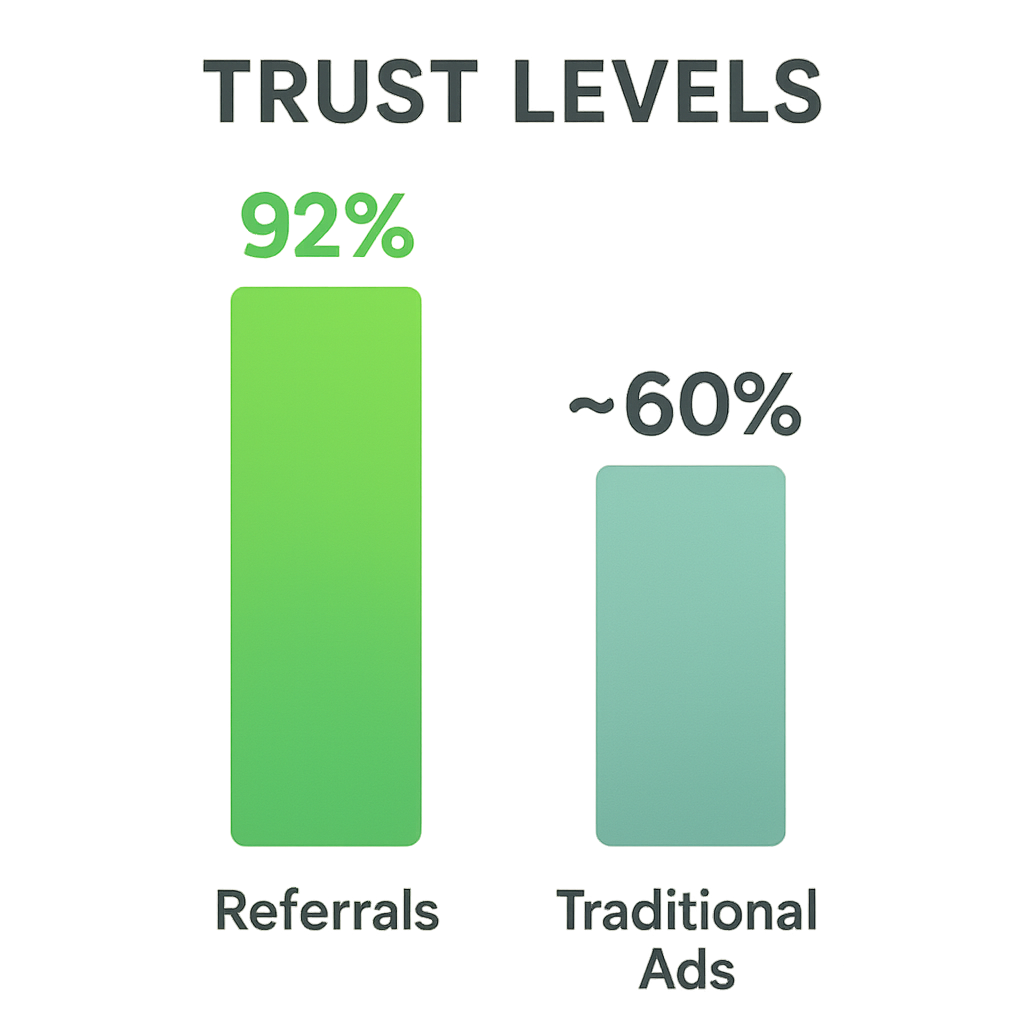
According to Nielsen, 92% of consumers trust word-of-mouth recommendations more than any form of advertising ( Nielsen’s Global Trust in Advertising report ).
Internal Procurement Flexibility
Some companies’ policies mandate detailed bids, while others carve out exceptions for trusted agencies. If your organization empowers teams to bypass rigid RFPs, you save time and tap into deep expertise faster. Deloitte’s research shows that procurement teams with flexible governance can accelerate project kickoffs by up to 25% ( Deloitte on procurement innovation ).
Key Questions to Ask Before You Forgo an Estimate
Make sure you cover the essentials even if you skip line-item pricing:
What experience do you have in my industry?
Can you share case studies or references?
How will you tackle our biggest marketing challenges?
Who on your team will own our account?
Which tools and platforms do you use?
How do you measure success and report it to me?
These points ensure you understand their methods and accountability.
Partnering Efficiently on Complex Projects
When your initiative is new or experimental, upfront estimates often miss the mark. Instead:
Agile, Iterative Workflows
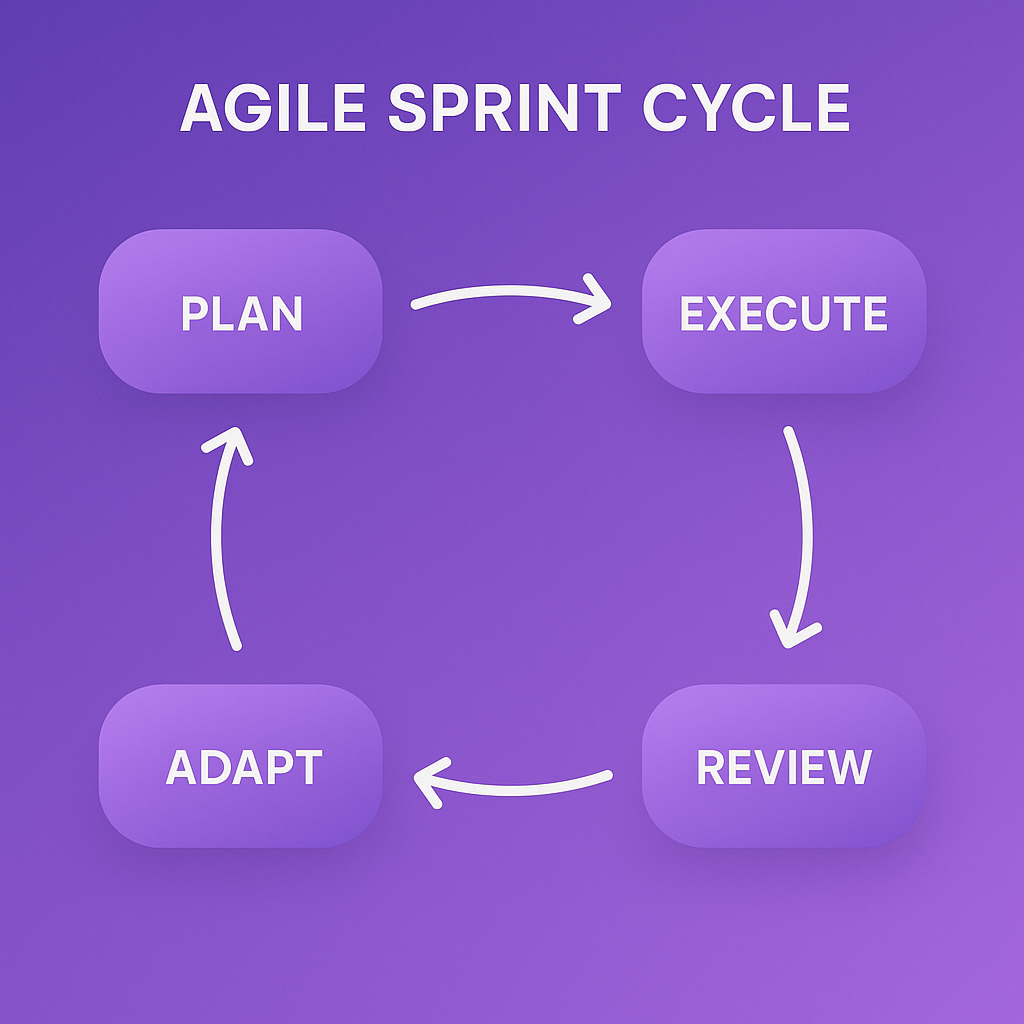
Break the project into short sprints. You review outcomes every few weeks and adjust as you learn. This cuts waste and keeps you flexible ( Agile Manifesto principles ).
Reverse Estimation to Attract Elite Clients
Some agencies politely decline to provide estimates upfront. By doing so, they signal that they work with clients who value vision and trust over price alone.
Client Maturity and Confidentiality
Sophisticated teams know that partial disclosures can skew bids. They choose partners based on reputation and focus on outcomes rather than detailed specs.
Finding the Perfect Match
As you move beyond estimates, keep these selection tips in mind:
Define your primary goals and KPIs upfront
Review the agency’s tech stack and reporting tools
Look for transparency in process and contracts
Assess their communication frequency and style
Confirm they share risk and reward in a way that fits your comfort level
Next-Level Partnerships
Shifting from line-item estimates to outcome-focused collaboration isn’t just a trend—it’s how mature organizations accelerate growth, streamline decisions, and foster lasting relationships. By understanding the biases tied to estimates, exploring revenue-share or retainer models, and asking smart questions, you’ll build a partnership that delivers real value every step of the way.
:format(webp))
:format(webp))
:format(webp))