:format(webp))
:format(webp))
How to Hire the Best ReactJS Development Company in 2024
When you’re ready to build or scale a React application, choosing the right development partner can make all the difference. By the end of this guide, you’ll know exactly what to look for—and what to avoid—so you can onboard a team that delivers on time, on budget, and with clean, maintainable code.
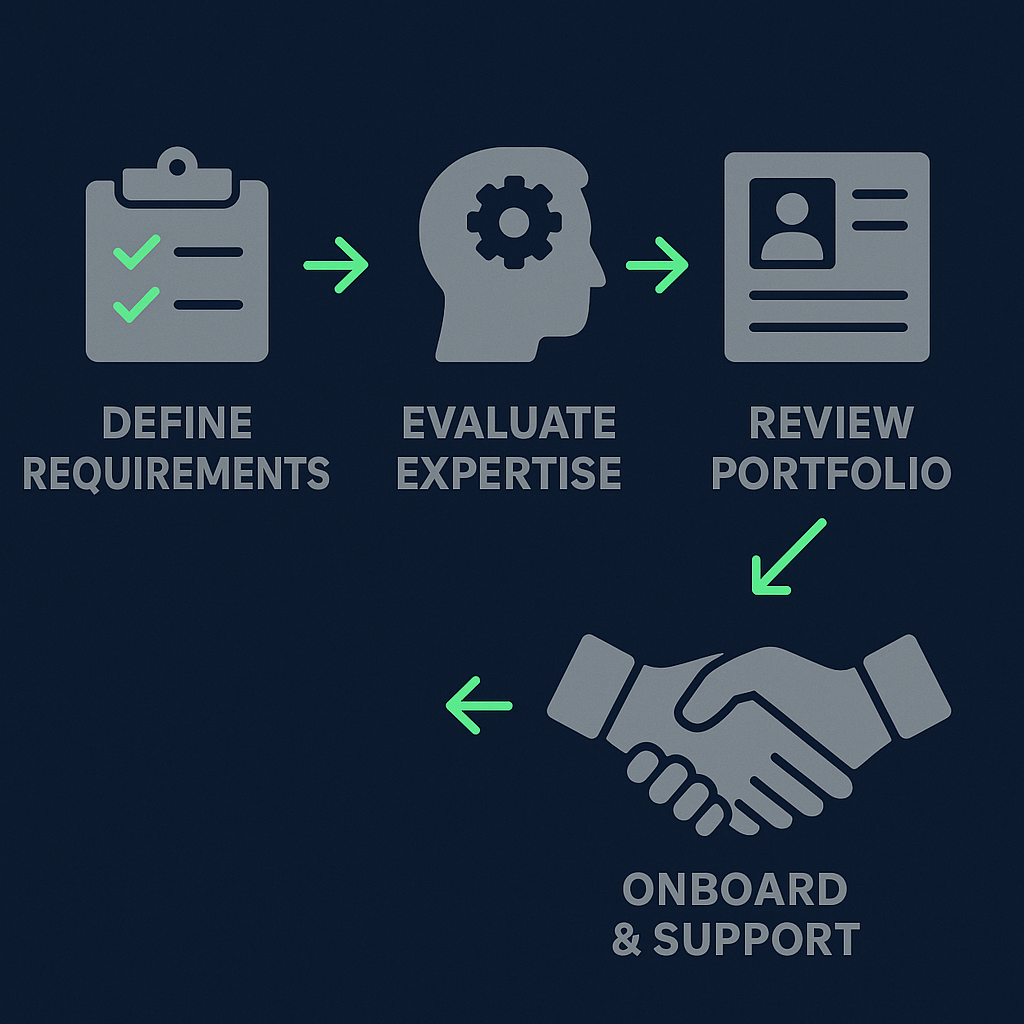
Clarify Your Project Requirements and Goals
Before you even start interviewing agencies, nail down what you need:
Scope: features, integrations, performance targets
Timeline: MVP, phased releases, final launch
Budget range: fixed price vs. time-and-materials
Success metrics: user engagement, load times, uptime
Requirement | Description | Example |
|---|---|---|
Scope | Define features and integrations | E-commerce checkout, social login |
Timeline | Release milestones | MVP in 3 months, full launch in 6 months |
Budget range | Engagement model | Fixed price at $50k or T&M at $120/hr |
Success metrics | Measure outcomes | 2s load time, 99.9% uptime |
A clear brief helps you compare apples to apples when you solicit proposals.
Evaluate Technical and Domain Expertise
A React specialist should bring more than just basic JSX chops.
Assess Core React Skills and State Management
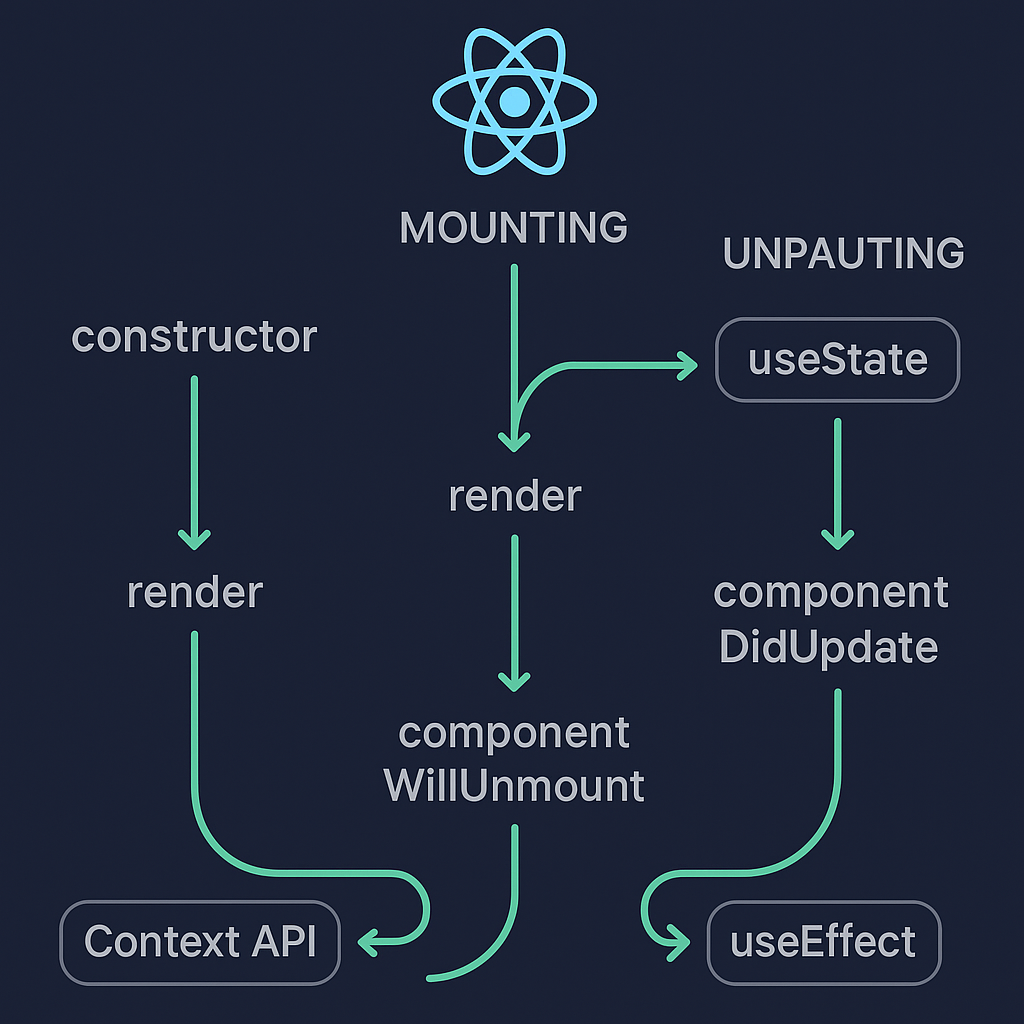
Make sure the agency understands component lifecycles, hooks, and performance patterns. Dive deeper:
Redux, MobX, Zustand, Context API
Advanced patterns (render props, higher-order components)
Code splitting, lazy loading, Suspense
Request Code Samples and Spot Red Flags
Ask for real snippets or small assignments. Watch out for:
Missing unit tests or end-to-end tests
Deeply nested components and poor folder structure
Inability to explain why they chose specific hooks or lifecycle methods
Review Portfolio, Case Studies, and Client Feedback
A solid track record tells you how they handle real-world challenges:
Similar industry or feature set
Before-and-after performance metrics
Client testimonials and references
Public reviews on platforms like Clutch or GoodFirms
Understand Development Process and Quality Assurance
Transparent workflows keep you in the loop and reduce surprises:
Agile ceremonies (sprints, standups, retrospectives)
CI/CD pipelines and deployment cadence
Code reviews, linting, and automated testing
Bug-tracking and change-request processes
Ensure Security Measures and Legal Protection
Your code, data, and IP must stay safe:
OWASP Top Ten compliance, vulnerability scanning
Data encryption in transit and at rest
Clear NDAs and IP assignment clauses
GDPR or CCPA adherence, if applicable
Consider Communication Style, Culture, and Time Zones
Smooth collaboration hinges on shared working hours and expectations:
Overlapping daily hours for real-time catch-ups
Preferred channels (Slack, Microsoft Teams, email)
Cultural fit: direct vs. more formal communication
Escalation path for urgent issues
Evaluate Future-Readiness and Innovation Culture
React’s ecosystem evolves fast. Look for agencies that:
Track new features like Server Components, Suspense, and concurrent rendering
Contribute to open-source or publish blog posts
Suggest modern architectures (micro frontends, edge rendering)
Budget time for R&D in their proposals
Plan for Onboarding, Scalability, and Post-Launch Support
Getting a team ramped up and scaling smoothly is crucial.
Typical in-house hires can take 30 to 90 days to reach peak productivity, depending on onboarding processes and role complexity.
Outsourced React teams can often onboard in as little as two weeks¹.
Clarify support SLAs: bug fixes, minor enhancements, version upgrades.
Flexible team augmentation to add specialists when needs change.
¹ According to Simform’s dedicated team model: Simform Dedicated Development Team Model
Avoid Common Outsourcing Pitfalls
Save time and money by sidestepping these mistakes:
Vague scope definitions leading to scope creep
Skipping code reviews and quality gates
Ignoring IP assignments or weak legal agreements
No clear post-launch plan for updates and security patches
Final Checklist for Your ReactJS Partner
Defined project brief and success criteria
Deep React and state-management expertise
Clean code samples with testing in place
Transparent agile process and QA pipelines
Robust security and legal safeguards
Aligned communication style and time-zone overlap
Proven track record plus future-focused mindset
Fast onboarding and flexible scaling options
Checklist Item | Description |
|---|---|
Defined project brief and success criteria | Clear scope, timeline, budget |
Deep React and state-management expertise | Proven skills in React, Redux, Context & more |
Clean code samples with testing in place | Readable codebases, strong automated tests |
Transparent agile process and QA pipelines | Agile boards, regular updates, integrated QA |
Robust security and legal safeguards | Data protection, NDAs, compliance practices |
Aligned communication style and time-zone overlap | Easy collaboration, working hour compatibility |
Proven track record plus future-focused mindset | Portfolio of successes, keeps up with trends |
Fast onboarding and flexible scaling options | Team ramp-up in 2 weeks, adjust team size fast |
With this roadmap, you’ll feel confident selecting a ReactJS development company that not only meets today’s needs but also sets you up for tomorrow’s innovations.
:format(webp))
:format(webp))
:format(webp))