:format(webp))
:format(webp))
How to Hire a TypeScript Developer: A Complete Roadmap
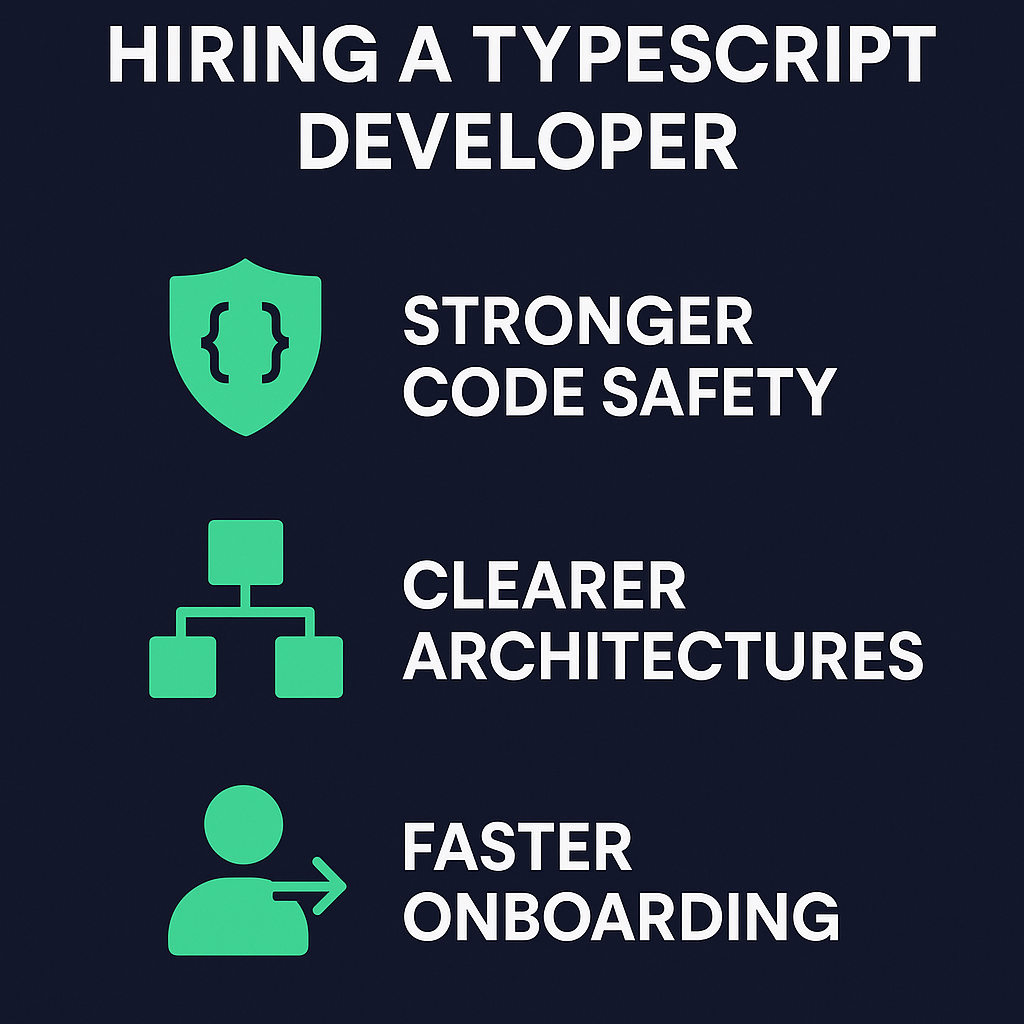
When you hire a TypeScript developer, you’re investing in stronger code safety, clearer architectures, and faster onboarding.
Why Bring a TypeScript Developer On Board?
TypeScript adds optional static types to JavaScript, catching errors at compile time instead of in production. According to the 2021 State of JS survey , 82% of developers say they’ve used TypeScript in at least one project. Teams adopting TypeScript report up to a 25% reduction in bugs during development compared to pure JavaScript efforts.
Metric | Value |
|---|---|
Developers using TypeScript in at least one project | 82% |
Reduction in bugs compared to JavaScript | 25% |
Essential Skills and Qualifications
When you screen resumes, make sure candidates can:
Read and write idiomatic JavaScript (ES6+)
Use TypeScript syntax: interfaces, generics, utility types
Apply object-oriented or functional design principles
Work with front-end frameworks (React, Angular, Vue)
Develop server-side code in Node.js
Write and run unit tests (Jest, Mocha, Jasmine)
Understand data structures, algorithms, and design patterns
“TypeScript is designed for the development of large applications and transcompiles to JavaScript.” – Anders Hejlsberg, TypeScript Language Architect
Advanced TypeScript Features: Version Awareness
TypeScript 5.5+ brings improved type inference, decorators, pattern matching, and more. Ask candidates:
Which new features in TS 5.5 have you used?
How did improved type inference reduce boilerplate in your last project?
Read more in the official announcement of TypeScript 5.5 .
Mastering tsconfig.json
Large codebases rely on a strict `tsconfig.json`. Look for familiarity with options such as:
"strict": true and strictness flags (`strictNullChecks`, `exactOptionalPropertyTypes`)
Module resolution strategies (`node16`, `nodeNext`)
Incremental builds (`incremental`, `composite`)
Project references for multi-package repos
Compiler Option | Description |
|---|---|
strict | Enables all strict type-checking options |
strictNullChecks | Disallows null and undefined assignments to non-nullable types |
exactOptionalPropertyTypes | Makes optional property types exact |
node16, nodeNext | Module resolution strategies for Node.js |
incremental, composite | Incremental build options for faster re-builds |
project references | Support for multi-package repository setup |
See the full list of compiler options in the TypeScript configuration reference .
Integrating Bundlers for Smooth Builds
Properly configured bundlers ensure fast rebuilds and smaller bundles. A strong candidate can set up:
Webpack with `ts-loader` or `esbuild-loader`—see the Webpack guide for TypeScript
Parcel’s built-in TypeScript support—details in the Parcel TypeScript documentation
Rollup with `@rollup/plugin-typescript`—configuration examples in the Rollup guide
Where to Discover Top Talent
You’ll find TypeScript developers in many of these places:
General job boards like LinkedIn Jobs
Open-source contributions on GitHub
Community discussions in r/typescript on Reddit
Industry events such as ng-conf
Putting Candidates Through Their Paces
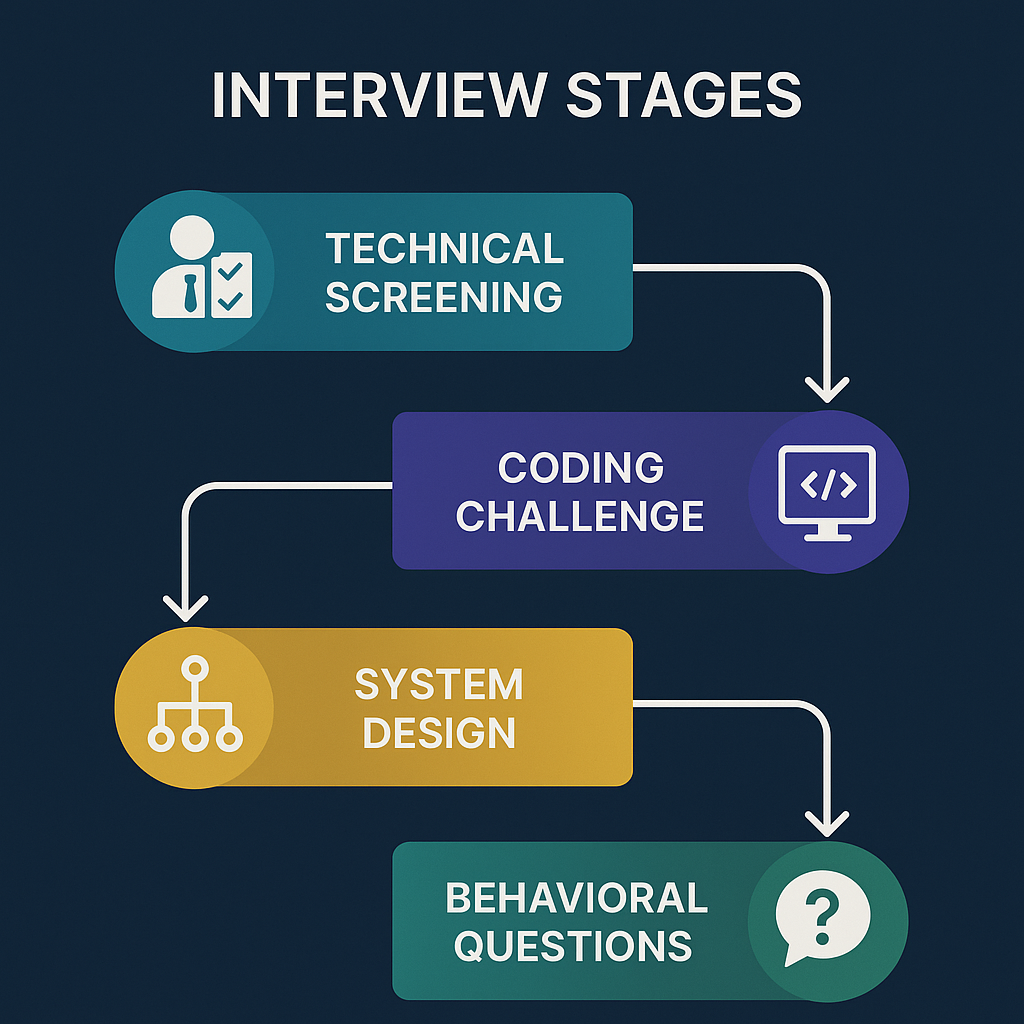
A solid interview process includes:
Technical screening: quick quiz on TS basics and JavaScript quirks
Coding challenge: build a small module with types, tests, and docs
System design: discuss architecture for a medium-sized feature
Behavioral questions: communication, teamwork, past project reflections
Sample Interview Questions
“Explain how TypeScript’s union types differ from plain JavaScript structures.”
“Configure a `tsconfig.json` for a mono-repo with shared types.”
“Show me a decorator you’ve written or used in TypeScript.”
Onboarding and Encouraging Growth
Once you’ve made an offer, set them up for success:
Pair them with a senior TypeScript mentor
Provide a starter project that covers both front-end and back-end
Share a style guide or linting rules via `eslint-plugin-@typescript-eslint`
Sponsor conference attendance or online course subscriptions
Encourage community engagement—developers who contribute to open-source or participate in forums tend to stay sharp and adapt quickly.
Next Steps on Your Hiring Journey
You now have a clear playbook:
Define the role and required skill set
Search in the right channels and review portfolios
Vet candidates on both fundamentals and advanced topics
Provide an onboarding plan that ensures continuous growth
Hire a developer who understands not just basic syntax but also the latest features, project configurations, and tooling. That’s how you build a TypeScript team capable of maintaining robust, scalable applications.
:format(webp))
:format(webp))
:format(webp))