:format(webp))
:format(webp))
How to Choose the Best JavaScript Development Company in 2025
When you pick the right JavaScript partner, you avoid delays, hidden costs and maintenance headaches down the road. In this guide, you’ll learn how to define your project, assess vendors on technical chops and community standing, and factor in long-term support, security and budget considerations.
Clarify Your Project Requirements
Before reaching out to agencies, map out what you want:
Core features and user flows
Integrations (APIs, third-party services)
Performance targets (page load times, concurrency)
Accessibility goals (such as WCAG Level AA compliance )
Category | Examples |
|---|---|
Core Features | User registration, dashboards, custom workflows |
Integrations | Payment gateways, CRM APIs, analytics tools |
Performance Targets | ≤ 2s page load time, support for 1,000+ concurrent users |
Accessibility Goals | WCAG Level AA compliance, screen reader support, keyboard navigation |
This blueprint helps you compare proposals on apples-to-apples terms.
Evaluate Technical Expertise
You’ll want a team fluent in modern JavaScript and its ecosystem.
Assess Framework Specialization
Some companies focus on mainstream stacks like React or Vue, while others excel in niche libraries:
Svelte for minimal runtime overhead
Next.js or Nuxt.js for server-side rendering and SEO gains
Astro for content-first sites
Framework | Primary Benefit | Ideal Use Case |
|---|---|---|
Svelte | Minimal runtime overhead | Lightweight, high-performance apps |
Next.js/Nuxt.js | Server-side rendering, SEO | SEO-focused, dynamic web applications |
Astro | Content-first architecture | Static sites, blogs, landing pages |
If your project demands one of these, look for case studies showing real-world success.
Check Open-Source Contributions
An agency actively contributing to GitHub projects often drives best practices. Scan their organization page for pull requests and libraries—this indicates both skill and leadership in the community.
Examine Industry Experience and Portfolio
Match the vendor’s background to your domain:
eCommerce platforms vs. enterprise dashboards
B2C mobile-first apps vs. data-intensive analytics tools
Ask for three recent references and inspect live apps. Confirm they’ve tackled similar challenges under comparable constraints.
Prioritize Communication, Culture and Collaboration
Clear back-and-forth is essential.
Tools: Slack, Microsoft Teams or Zoom
Cadence: daily stand-ups, weekly demos
Time zone overlap: at least four hours for real-time chats
Cultural alignment reduces friction—do team values around responsiveness and feedback match yours?
Review Development Process and DevOps Maturity
A modern pipeline ensures fast, reliable releases.
Agile process (e.g., Scrum, Kanban)
Continuous integration/continuous delivery ( CI/CD )
Cloud-native deployment platforms with Infrastructure-as-code (Render, Digital Ocean, Vercel, AWS, Azure, GCP)
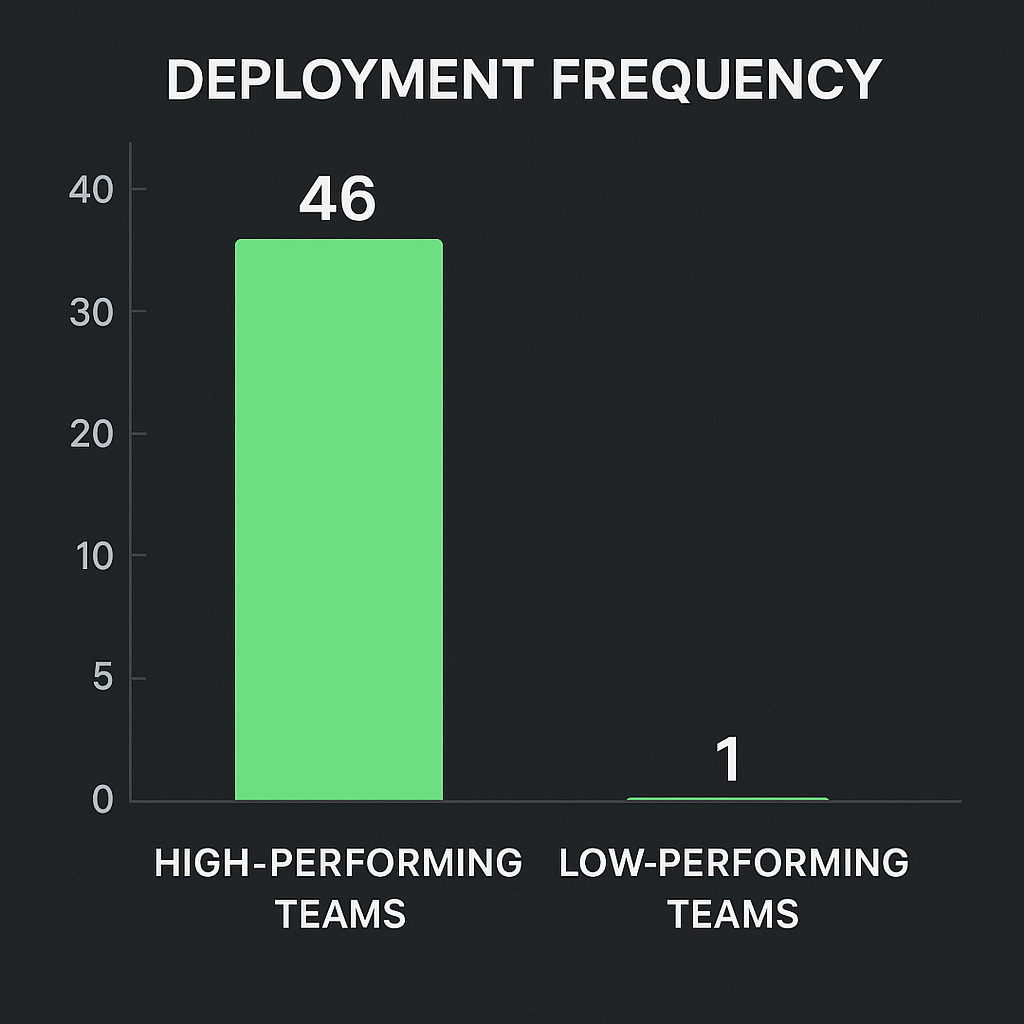
DORA’s 2019 report found that high-performing teams deploy 46× more frequently than low performers .
Include Accessibility and Standards Compliance
Confirm they run automated a11y tests (e.g., axe , Pa11y) and manual audits against WCAG guidelines if relevant for your project.
Ensure Security, Risk Mitigation and Contractual Terms
Protect your data and IP from day one.
Data encryption (TLS, at-rest AES-256 encryption standard )
NDA and IP assignment clauses
Liability caps and exit terms
A clear contract minimizes surprises if you part ways later.
Plan for Maintenance, Quality Assurance and Support
Longevity depends on solid testing and docs.
Automated unit, integration and end-to-end tests
Code review checklists
Living documentation (Swagger, Storybook)
Onboarding guides and internal training sessions
“A well-documented codebase pays dividends in future development.” – Jane Smith, Software Architect
Set Your Budget and Understand Pricing Models
Compare cost structures:
Fixed-price for well defined scopes
Time & materials for flexible work
Dedicated teams for ongoing engagements
Model | Description | Best For |
|---|---|---|
Fixed-Price | Set total cost for a well-defined project scope. | Projects with clear requirements and deadlines. |
Time & Materials | Pay based on hours worked and resources used. | Flexible, evolving projects with changing needs. |
Dedicated Teams | Long-term engagement with a team allocated exclusively. | Ongoing work or large-scale projects needing flexibility and continuity. |
Be wary of hourly rates that seem too low—they often hide inefficiencies.
Gauge Scalability and Future-Proofing
Think beyond launch:
Modular architecture (micro-frontends, plugin patterns)
TypeScript for early type-error detection
Upgrade paths for major framework versions
Automated dependency updates ( Renovate )
These strategies cut upgrade effort by up to 60% over three years, ensuring your application stays maintainable as it grows.
Final Steps to Secure Your JavaScript Partner
Request a pilot sprint or small proof-of-concept
Review post-launch support SLAs
Verify client testimonials on third-party sites (Clutch, Sortlist)
By following these steps, you’ll zero in on a partner who not only builds your app today but keeps it thriving tomorrow.
Want a free consult?
We're ready to hop on a call and give our insights free of charge
Free Discovery Call:format(webp))
:format(webp))
:format(webp))