:format(webp))
:format(webp))
Unlocking High-Performance Marketing Sites with React and Storyblok
You’re about to discover how React and a headless CMS like Storyblok work together to deliver blazing-fast, SEO-friendly marketing sites.
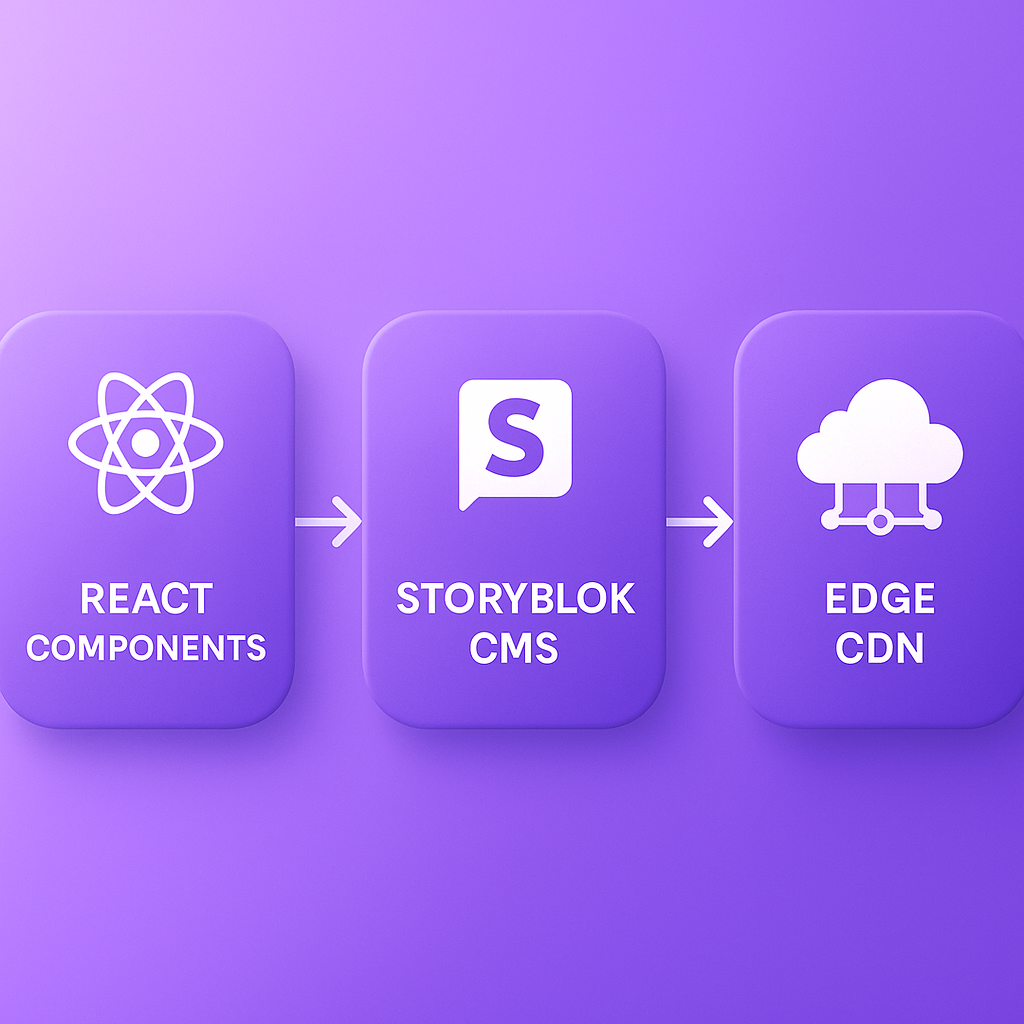
Why Combine React with a Headless CMS?
Pairing React’s component-driven approach with a headless CMS separates content from presentation. This brings:
Speed: React’s virtual DOM plus edge caching means sub-second page loads.
Scalability: Content teams update copy and media without developer involvement, as outlined in this overview of headless CMS benefits .
SEO gains: Pre-rendered pages, metadata control, and JSON-LD injection improve discoverability, following Google’s JavaScript SEO best practices .
“Decoupling content delivery lets marketing teams move at their own pace, while React apps stay lean.” – Peter Schinkel, CTO at Storyblok
How Storyblok Lifts Performance and SEO
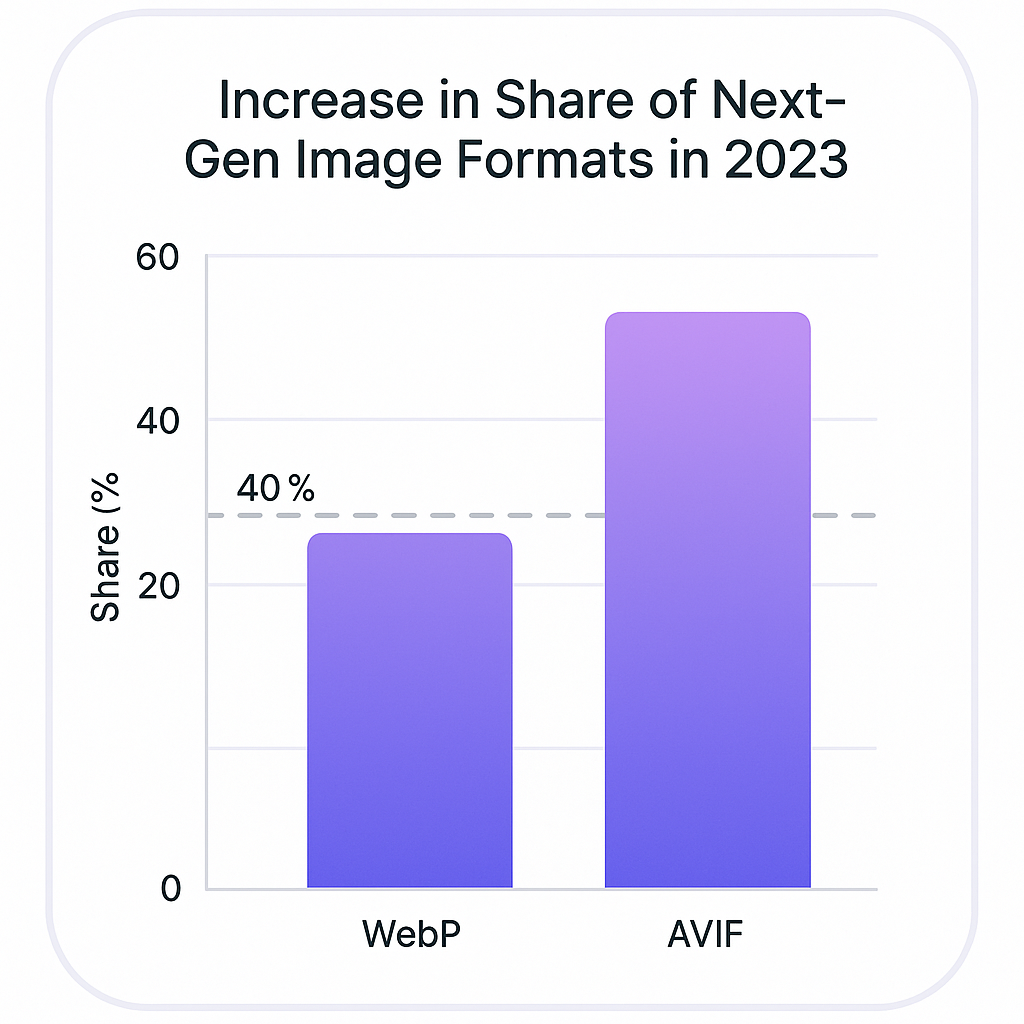
Storyblok’s CDN, real-time publishing webhooks, and image-service transforms (format=webp/avif, smart cropping, DPR sizing) cut load times dramatically. The HTTP Archive report on page weight shows next-gen image formats rose to over 40% share in 2023.
Setting Up Storyblok in Your React Project
Create a Storyblok space and define content types (pages, sections, products).
Install the React SDK:
```bash
npm install storyblok-react
```
Wrap your app in `<StoryblokProvider>` and fetch entries via `useStoryblok`.
Build dynamic, reusable components that map to Storyblok schemas.
Enable the visual editor so content editors see live previews.
Storyblok’s docs cover each step in detail: https://www.storyblok.com/docs/guide/getting-started/react
Advanced Performance Strategies
Edge Rendering with Incremental Static Regeneration
If you’re on Next.js or Remix, use ISR, stale-while-revalidate, and on-demand revalidation. Tie Storyblok webhooks to Next.js’s `revalidatePath` API so you get sub-second updates for only the pages you change.
Method | How it Works | Primary Benefits/Use Cases |
|---|---|---|
ISR (Incremental Static Regeneration) | Statically regenerates pages in the background after a set time interval. | Fast page loads, updated content at intervals. |
SWR (Stale-While-Revalidate) | Serves cached (stale) content and revalidates in the background. | Real-time-ish UI, smooth user experience, SSR/CSR. |
On-demand Revalidation | API-driven triggers to rebuild/update only changed pages instantly. | Sub-second updates on change, efficient per-page re-gen. |
ISR: regenerate stale pages in the background
SWR: cache-and-revalidate on the client
On-demand: call webhooks to refresh specific routes
Next.js guide: https://nextjs.org/docs/basic-features/data-fetching/incremental-static-regeneration
Image and CDN Pipeline
Take advantage of Storyblok Image Service transforms plus React’s `srcSet`:
Format conversion (WebP, AVIF)
Smart cropping per focal point
Device-pixel-ratio sizing
A responsive setup can cut LCP by 30–50%, as explained in this guide to responsive images .
Personalization and A/B Testing at the Component Level
You don’t need separate builds to test headlines, offers, or layouts. Drive variants from Storyblok fields and switch them in React:
Store audience flags in Storyblok (e.g., “Variant A” or “Variant B”).
In React, read the flag and call an experiment SDK like Optimizely or GrowthBook.
Render or hide components based on real-time personalization data.
Statistic: A/B tests can lift conversion rates by up to 30% when run continuously, according to VWO’s A/B testing insights .
Managing Multisite, Localization, and Governance
Spaces & Folders: Use separate Storyblok spaces for brands, then share a component library.
Roles & Permissions: Limit who can publish or edit critical sections.
Translation Workflows: Leverage built-in translation pipelines and fallback locales.
Content Inheritance: Override shared blocks per locale or campaign.
This model ensures consistency while empowering local teams to run region-specific promotions.
Schema-Driven Developer Experience
Define strict schemas in Storyblok to generate TypeScript types and zod validators automatically. This prevents mismatches between your content models and React props.
Auto-generate TS interfaces from block schemas
Validate incoming data with zod before render
Provide instant feedback in the visual editor
Zod library: https://github.com/colinhacks/zod
Integrating Commerce and Enhancing Accessibility
Composable Commerce Patterns
Blend Storyblok storytelling with live product data via GraphQL or REST:
Fetch product details from Shopify, Commerce Layer, or BigCommerce
Cache with SWR or React Query to keep PDPs fast
Update: connect Storyblok webhooks to clear caches on price/stock changes
Accessibility Best Practices
Enforce alt-text, semantic headings, ARIA labels, and color-contrast via:
Storyblok field validations
ESLint rules in React
Automated tests to catch regressions
WCAG 2.2 AA standard: https://www.w3.org/WAI/standards-guidelines/wcag/
Search, Structured Data, and Observability
Search: Index content into Algolia or Elasticsearch via webhooks. Use React InstantSearch for filters.
Structured Data: Generate JSON-LD for Article, Product, FAQ schemas directly from Storyblok fields.
Observability: Set Core Web Vitals budgets per template. Integrate RUM tools (Web Vitals, Sentry, Datadog) and tag releases with Storyblok events to see which content changes move the needle.
Algolia guide: https://www.algolia.com/doc/guides/getting-started
Future-Proof Your Marketing Site
You’ve seen how React and Storyblok give you a fast, flexible, and secure foundation. From edge rendering and image pipelines to personalization, governance, and observability, these patterns will help you build sites that delight visitors and empower editors. Start by modeling your content with clear schemas, connect your experiment platform, and roll out incremental improvements—your next-gen marketing site awaits.
:format(webp))
:format(webp))
:format(webp))