:format(webp))
:format(webp))
9 Traits of an Effective Pull Request (and How to Go Further)
When you send a pull request (PR), you’re inviting someone to read and merge your work. A well-crafted PR speeds up reviews, prevents back-and-forth, and leaves a clear audit trail. In this article, you’ll learn the core practices used by top engineering teams—plus six advanced methods you won’t find in every guide.
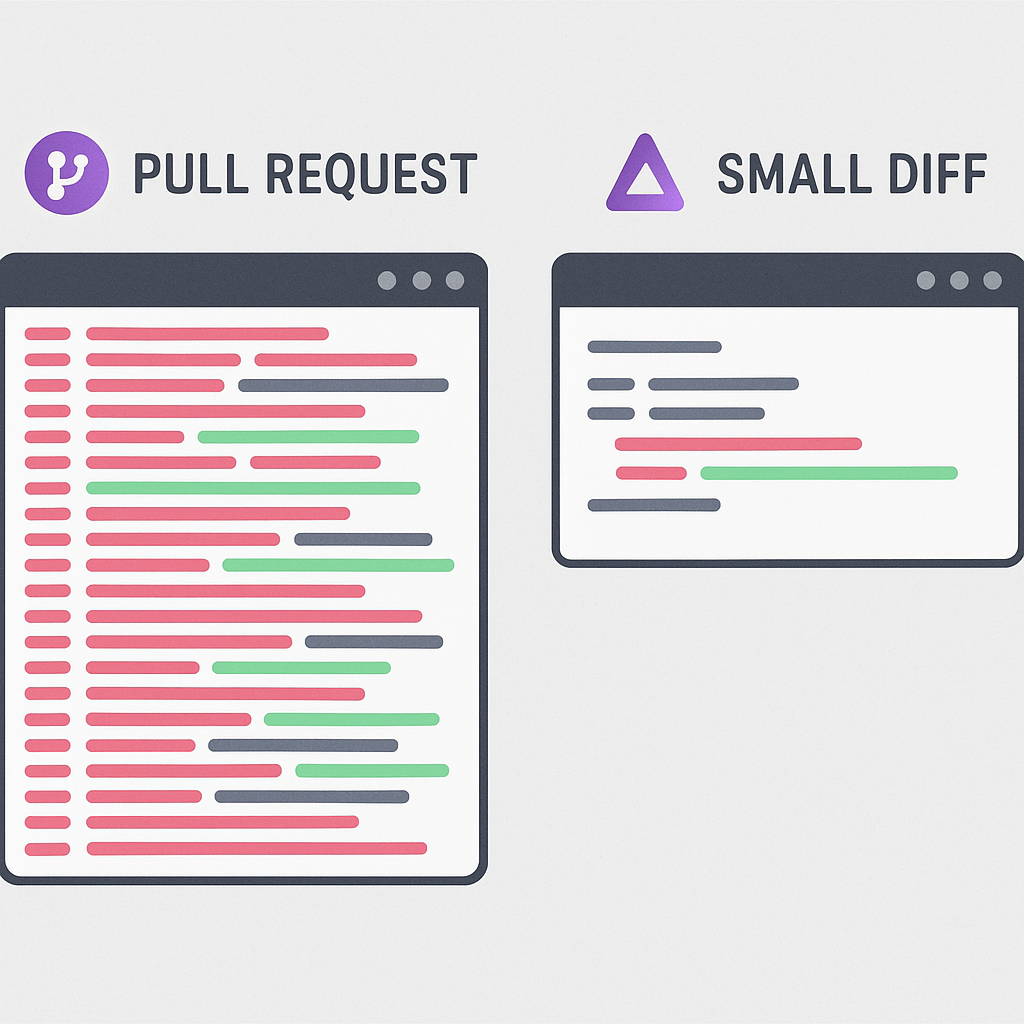
Keep It Small and Focused
Large diffs are daunting. Aim for a single change per PR so reviewers can concentrate on one issue at a time.
Provide Clear Context and Description
Before diving into code, explain why this change matters. A title like “Fix login bug” is less helpful than “Prevent 500 error when user token is null.”
What problem does this solve?
Which issue or ticket does it close?
How can a reviewer test it?
Use Templates for Consistency
Standardizing your PR format removes guesswork. A good PR template typically includes:
Summary of the change
Motivation or background
Testing steps
Related issues or tickets
You can follow DigitalOcean’s guide to GitHub pull request templates to set up a `.github/PULLREQUESTTEMPLATE.md` file, ensuring every contributor covers these points.
Automate Checks and Standards
Manual reviews catch functionality issues, but automated tools catch style errors, security flaws, and unmet coverage thresholds before anyone reads your code.
Linters for code style
Test suites for regression
Security scans for vulnerabilities (e.g., using OWASP’s Dependency-Check )
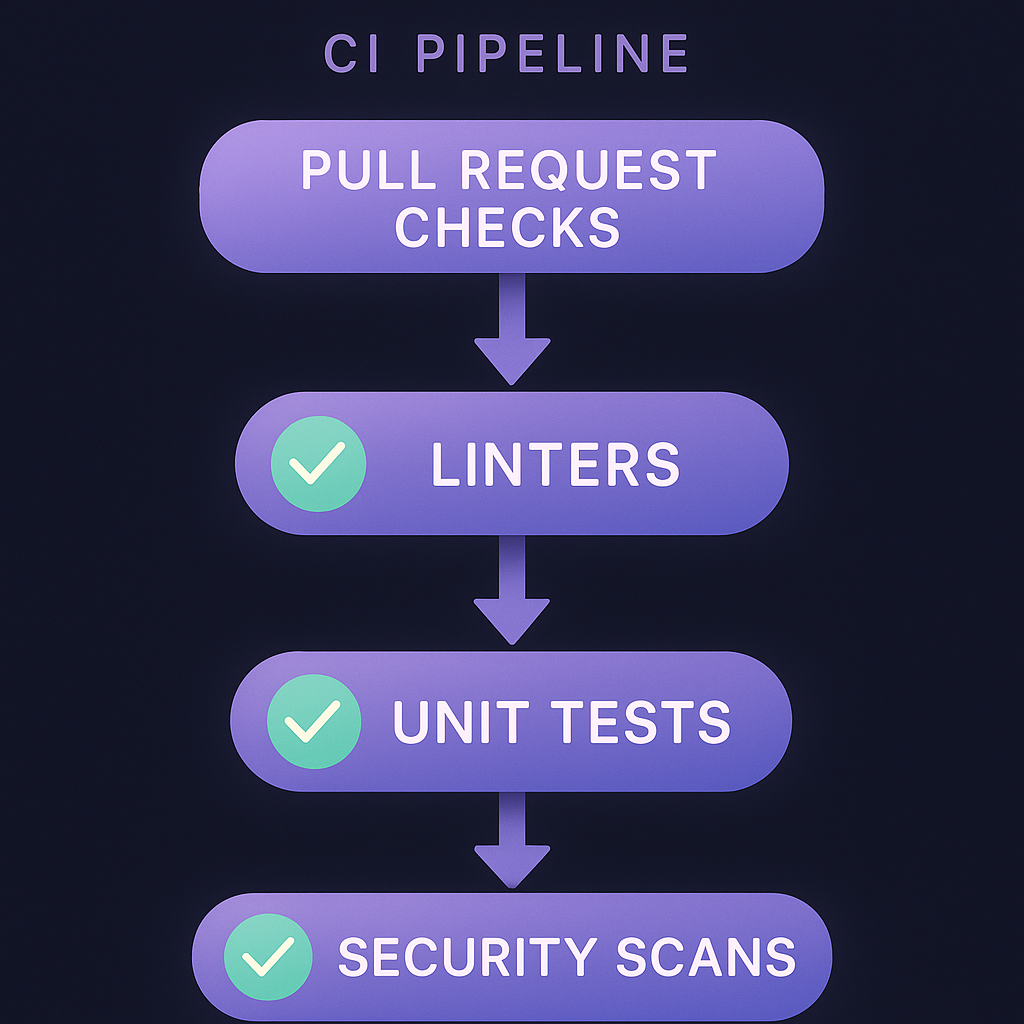
Tools like SemaphoreCI’s enforcement of pre-merge checks can even block merges unless all CI pipelines pass.
Foster Constructive Feedback
An open-minded attitude and prompt replies keep reviews flowing.
Address comments with short replies (“Done” or “I’ve updated this.”)
Ask follow-up questions if a suggestion isn’t clear
Thank reviewers for their time
Embrace Draft Pull Requests
Draft PRs let you share in-progress work and gather early input. It’s a low-pressure way to spot design issues before they become big headaches. See GitHub’s Draft Pull Request feature announcement on GitHub Blog to learn how to share work early.
Enforce Messaging and Naming Conventions
Consistent commit messages and branch names improve traceability and feed changelog automation.
Commit Message Standards
Following a scheme like Conventional Commits keeps histories readable and automates release notes. A typical format is:
<type>(<scope>): <short description>
For example:
feat(auth): add two-factor authentication
Type | Scope Example | Description |
|---|---|---|
`feat` | auth | New feature |
`fix` | login | Bug fix |
`docs` | README | Documentation update |
Learn more at Conventional Commits v1.0.0 .
Branch Naming Guidelines
Requiring feature branches to follow patterns—such as `feature/123-add-login` or `bugfix/456-null-token`—ensures you can tie work directly to tickets. Tools like Gitflow recommend these conventions to avoid confusion; see Atlassian’s guide to Gitflow Workflow for details.
Leverage Pre-Merge Checklists
Some platforms let you inject a checklist into every PR automatically. A checklist might remind you to:
Update documentation
Run full test suite
Verify no debug statements remain
These task lists reduce oversights. You can use GitHub’s task list syntax documentation to add interactive checkboxes directly in your PR description.
Predefine Your Intent with Pull Request-Driven Development
In a PR-driven workflow, you write the full PR description before coding. This practice forces you to clarify goals, API changes, and potential edge cases up front. Eric Clemmons’s article on Pull Request-Driven Development outlines how this approach surfaces obstacles early and aligns teams around intent.
Your Next PR, Better Than Ever
By combining the fundamentals—small scope, clear descriptions, automated checks—with advanced methods like templates, draft reviews, and PR-driven planning, you’ll cut review times and make merges smoother. Start with one tip from this list and build from there. Before long, your PRs will set a new standard for your team.
:format(webp))
:format(webp))
:format(webp))