:format(webp))
:format(webp))
Mastering DeFi Frontend UX: Overcoming Challenges & Embracing New Solutions
When you build or use a decentralized finance (DeFi) app, you face a maze of technical hurdles, security worries—key management, phishing attacks —and evolving rules. In this article, you’ll discover the core UX pitfalls in DeFi web frontends, proven design fixes, and fresh approaches—like AI-powered assistants and cross-chain UIs—that you won’t find in every guide. By the end, you’ll have a clear roadmap for creating or choosing a DeFi interface that even newcomers can navigate confidently.
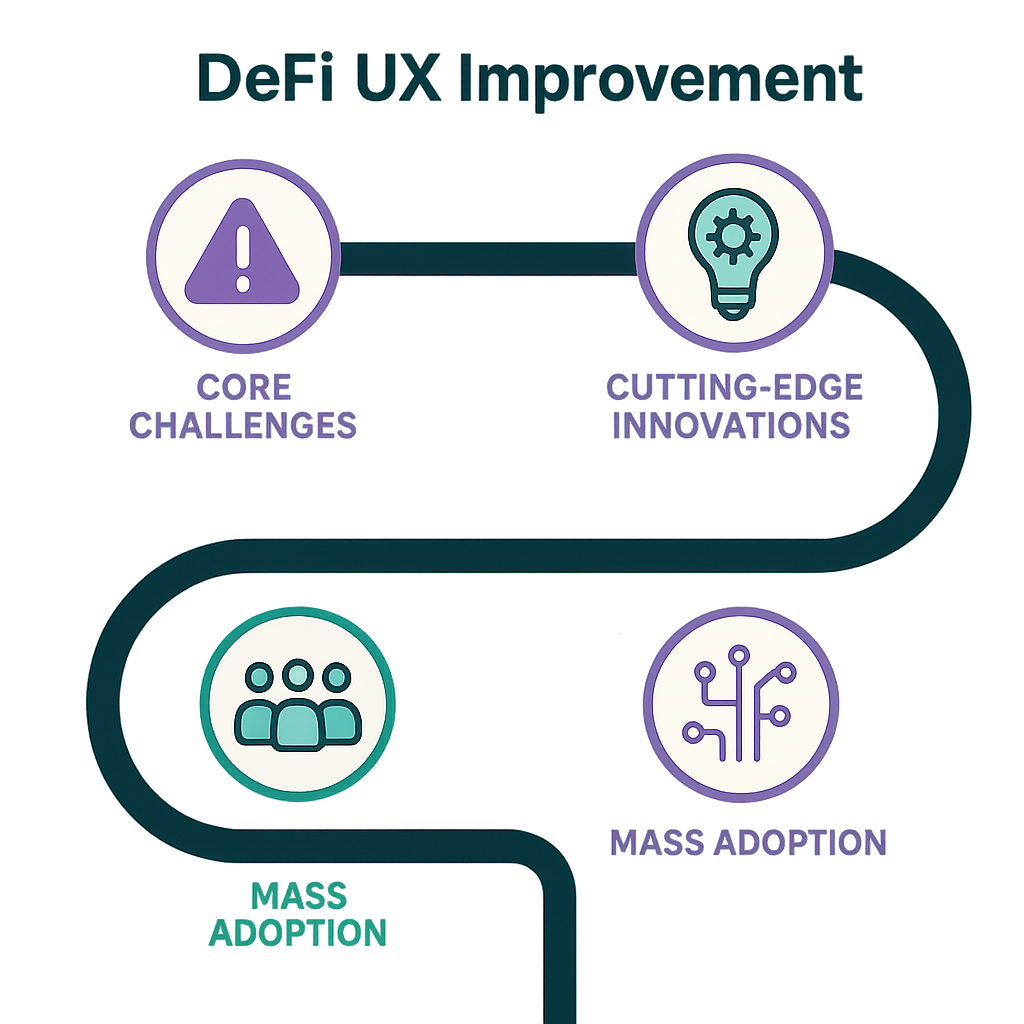
Core UX Challenges in DeFi Web Frontends
DeFi interfaces often feel like they were built by engineers, for engineers. Here are the main sticking points:
Technical complexity & jargon
Information overload from countless assets and pools
Security concerns—key management, phishing risks
Slow transaction speeds during peak network usage[^1]
Liquidity fragmentation causing slippage or failed swaps[^2]
Regulatory compliance hurdles (KYC/AML, geo-fencing)[^3]
Shortage of designers who grasp both finance and blockchain[^4]
UX Challenge | Impact on User |
|---|---|
Technical complexity & jargon | Barriers to entry for new users |
Information overload from countless assets/pools | Hard to find relevant information; confusion |
Security concerns—key management, phishing risks | Fear of loss; reduced trust in the platform |
Slow transaction speeds during peak network usage | Frustration; lost opportunities |
Liquidity fragmentation causing slippage/failed swaps | Inconsistent outcomes; lost funds |
Regulatory compliance hurdles (KYC/AML, geo-fencing) | Limited accessibility; onboarding friction |
Shortage of designers who grasp finance & blockchain | Lack of intuitive, user-friendly experiences |
Proven UX Strategies for DeFi
You can mitigate most of the friction above by applying these user-centered tactics:
Abstraction & Progressive Disclosure
Hide low-level blockchain steps until users need them. Start with simple buttons—“Buy,” “Stake”—and reveal gas settings or contract addresses on demand using progressive disclosure patterns .
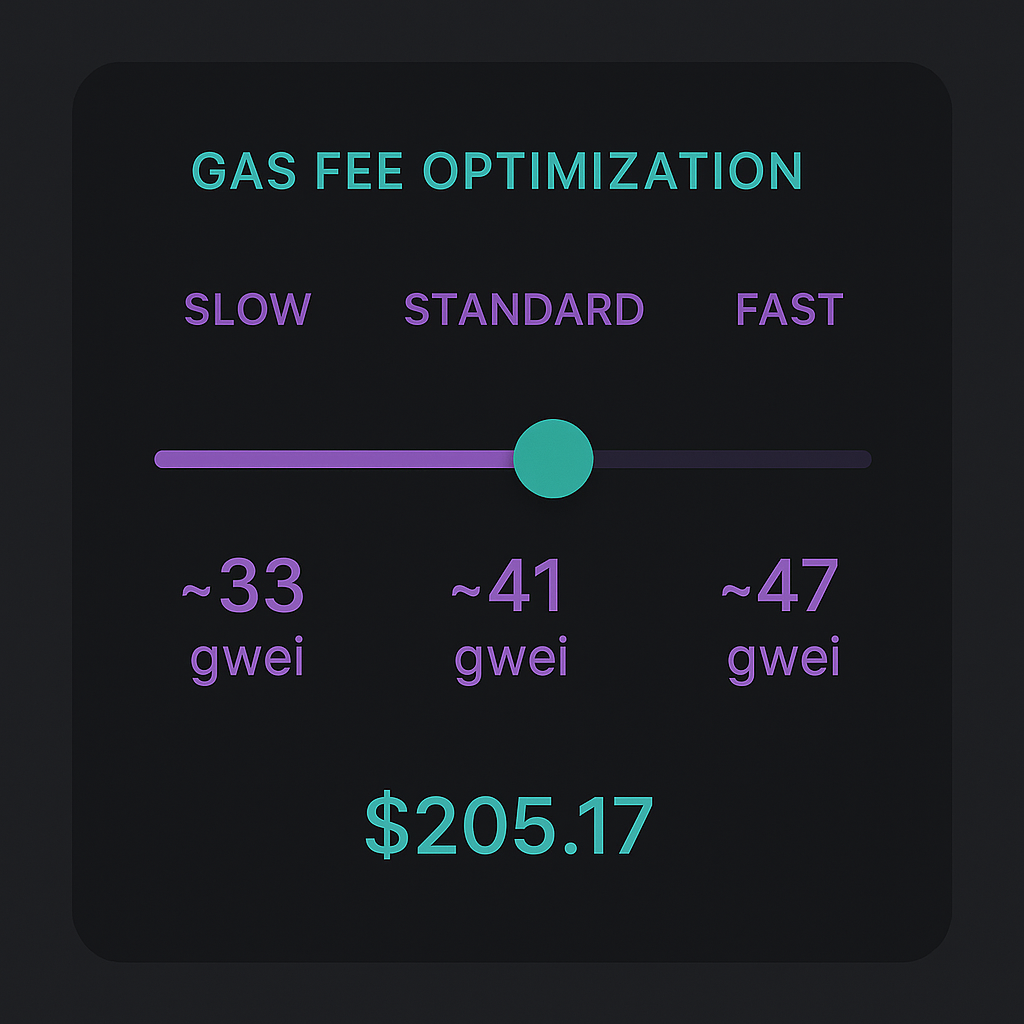
Gas Fee Optimization
Show real-time fee estimates in familiar units (USD)
Offer a “slow / standard / fast” slider
Cache recent gas price data to avoid fresh RPC calls
Clear Error Handling & Notifications
When a transaction fails, explain why (“insufficient funds,” “slippage too high”) and guide users toward a fix instead of dumping raw error logs .
Simplified Language & Onboarding
Spell out terms like liquidity pool in plain English and walk new users through their first swap with tooltips or a guided tour.
Security Best Practices
Integrate hardware wallet support
Implement nonce tracking at the signature level to prevent replay attacks
Prompt frequent reminders about genuine domain names
Transaction Transparency
Show a live timeline of each step—signature requested, broadcasted, pending, confirmed—to build trust.
KYC/AML Integration & Geo-Fencing
Embed identity checks smoothly: pre-fill known fields, verify documents on a separate overlay, and disable features in restricted regions using geo-fencing regulations .
Cutting-Edge Innovations Shaping DeFi Frontends
Beyond the basics, some emerging trends are remapping how we interact with DeFi:
AI-Powered Interfaces (DeFAI)
Natural language processing allows you to type “Swap 100 USDC for ETH at the best rate” and watch the dApp assemble the trade, choose the optimal DEX and set fees for you[^5].
Performance Optimization & Scalability
Use Layer-2 scaling solutions , transaction batching and local caching to keep your UI responsive, even when the mainnet is congested[^1].
Cross-Chain Interoperability Patterns
Design a single “asset selector” that spans Ethereum, Binance Smart Chain and Layer-2s, updating balances in real time as users move funds across bridges[^6].
Community-Driven Iteration
Embed a feedback widget right in the dApp and route votes through your governance token. That way, users can propose UI tweaks and the DAO can approve quick fixes without a full release[^7].
Innovation | User Benefit |
|---|---|
AI-Powered Interfaces | Simplifies user experience with natural language commands and auto-selects optimal trading strategies |
Performance Optimization | Ensures fast, responsive interfaces even during network congestion |
Cross-Chain Interoperability | Allows seamless asset management and real-time balance updates across multiple blockchains |
Community-Driven Iteration | Empowers users to suggest improvements and vote on changes, creating a more responsive and user-focused product |
Building for Mass Adoption: Talent, Feedback & Evolution
Even the slickest frontends stall if there aren’t enough pros to build and refine them. To keep moving forward:
Invest in cross-disciplinary hiring—look for designers who understand on-chain logic.
Run regular hackathons focused on UX to surface creative solutions.
Surface user feedback within the app and link it to your governance system[^7].
These steps help you iterate faster, respond to new rules and onboard users who’ve never seen a crypto wallet.
Your Next Move in DeFi UX
You now have a checklist of common traps and a toolkit of solutions plus the latest leaps—AI assistants, on-chain feedback loops and multi-chain layouts. Whether you’re designing your first dApp or refining an existing product, keep testing with real users, integrate evolving regulations smoothly and stay alert for new performance hacks. Do that, and your frontend will feel as familiar as any top Web2 finance app—while staying true to decentralization.
:format(webp))
:format(webp))
:format(webp))