:format(webp))
:format(webp))
React Code Reviews: Why an External Audit Can Transform Your Project
Reading this will help you understand when and how to bring in outside experts to review your React code, what you can expect from the process, and the extra insights an external auditor delivers—beyond what your team sees every day.
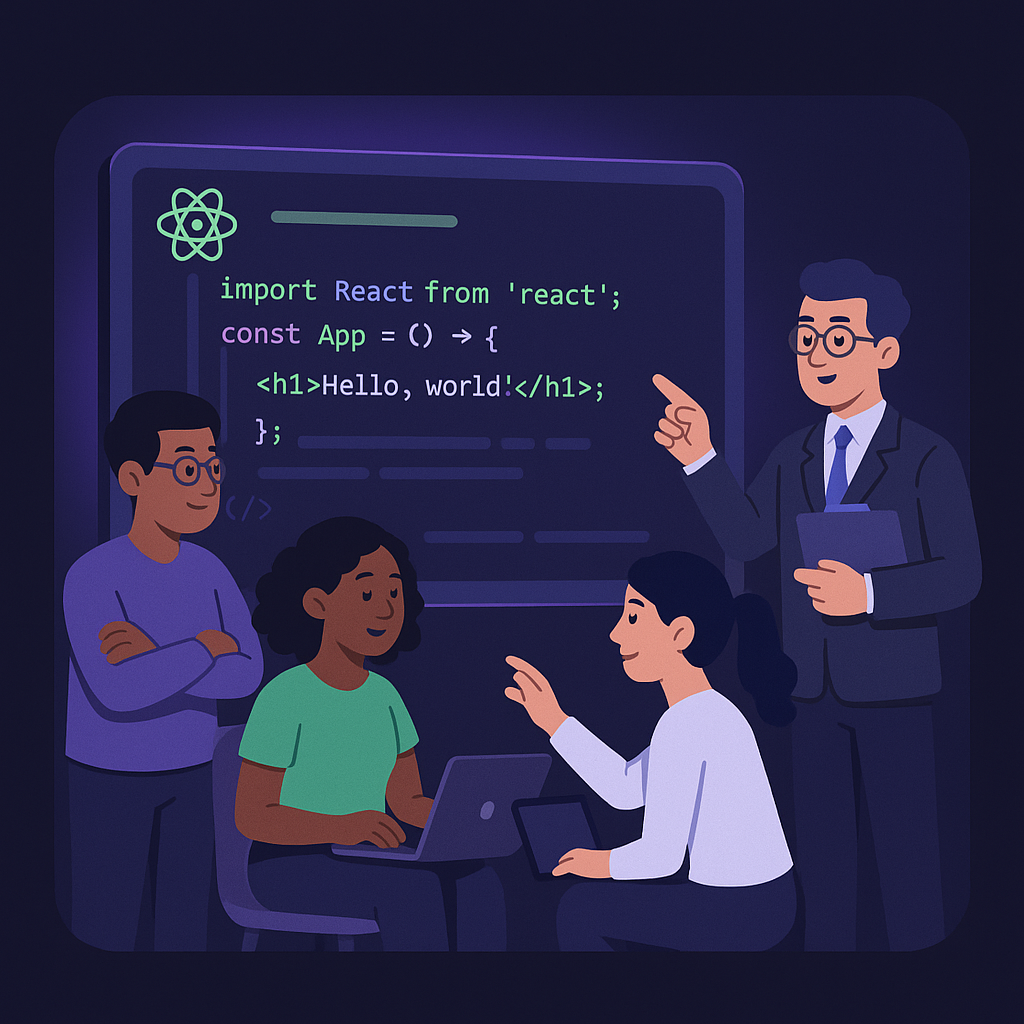
Why React Code Reviews Matter
A systematic review of your React code catches issues early and keeps your project on track. Here’s why:
Improved code quality
Catch syntax errors, logic flaws, and anti-patterns before they hit production.
Knowledge sharing and mentorship
Junior and senior developers alike learn from detailed feedback.
Performance optimization
Identify slow renders, unnecessary re-renders and suggest memoization.
Early bug detection
Studies show nearly half of defects are found during peer reviews.
Maintainability and scalability
Establish conventions so your app grows cleanly.
Fresh perspective
An auditor spots blind spots that your daily routine might miss.
Benefit | Description |
|---|---|
Improved code quality | Catch syntax errors, logic flaws, and anti-patterns before they hit production. |
Knowledge sharing and mentorship | Junior and senior developers alike learn from detailed feedback. |
Performance optimization | Identify slow renders, unnecessary re-renders and suggest memoization. |
Early bug detection | Studies show nearly half of defects are found during peer reviews. |
Maintainability and scalability | Establish conventions so your app grows cleanly. |
Fresh perspective | An auditor spots blind spots that your daily routine might miss. |
When to Bring in an External Auditor
Your in-house team handles day-to-day tasks, but certain moments call for an outside eye:
Project size or complexity spikes, as highlighted in Atlassian’s guide to code reviews
Lack of in-house expertise in performance, security or architecture
Major upcoming release or launch
Onboarding several new developers at once
Preparing for regulatory audits ( GDPR compliance , HIPAA requirements , PCI DSS readiness )
Picking the Right Code Review Partner
Choosing who reviews your code is as important as having the review itself. Look for:
Proven experience with React and similar projects
Clear communication and collaborative approach
A documented, end-to-end review process
Familiarity with your industry’s regulations
Tools and methods that fit your workflow
Tools and Techniques for React Audits
Automated testing suites ( Jest , React Testing Library )
Manual walkthroughs of pull requests
Pair-programming sessions for real-time feedback
Tool/Method | Category | Primary Use |
|---|---|---|
ESLint | Static Analysis | Linting and identifying syntax/style issues |
SonarQube | Static Analysis | Code quality and security scanning |
Jest | Automated Testing | Unit and snapshot testing |
React Testing Library | Automated Testing | Component behavior testing |
Manual walkthroughs | Manual Review | Inspection of pull requests |
Pair-programming | Collaborative Review | Real-time feedback |
Snyk | Dependency Scanning | Vulnerability detection |
npm audit | Dependency Scanning | Audit npm packages for known vulnerabilities |
What to Expect from an External Review
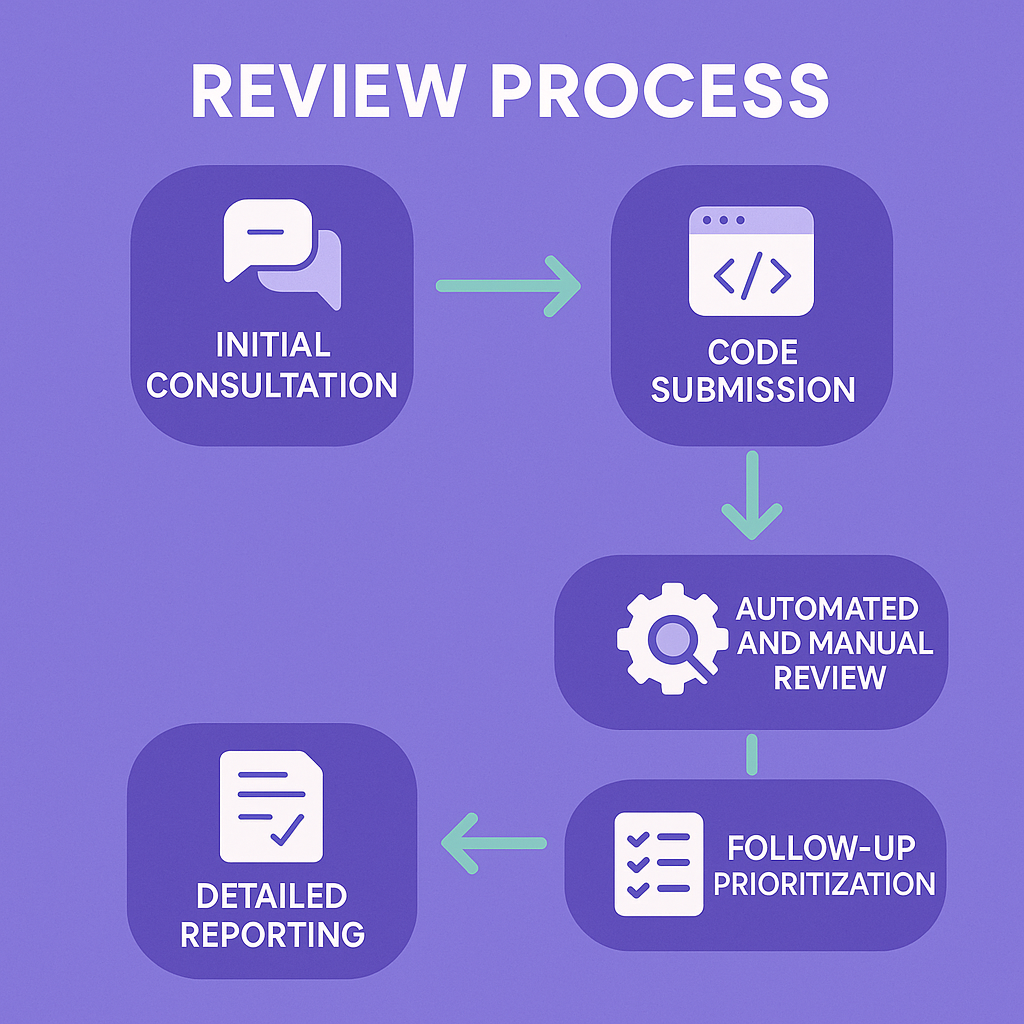
Initial consultation and scoping
Submission of codebase snapshot or pull requests
Automated scans and manual review
Detailed report with findings and recommendations
Follow-up call to prioritize fixes and improvements
Common Findings in React Audits
Performance bottlenecks (unused renders, large bundles)
Security gaps (XSS vectors in dangerouslySetInnerHTML)
Code smells and anti-patterns (deep prop drilling)
Inconsistent coding style (naming, indentation)
Outdated or vulnerable dependencies
Missing or flaky tests
Beyond the Basics: Advanced Insights from External Audits
Impact on Team Dynamics and Morale
An unbiased review process can boost trust when handled transparently, or damage it if feedback feels punitive. Clear communication of goals and follow-up helps maintain team cohesion.
Legal and Compliance Considerations
External auditors flag gaps in GDPR-related data handling or HIPAA requirements for protected health data. They also assess PCI DSS controls to help reduce the risk of costly fines and reputational harm.
Detecting Architectural Drift
Over time, your codebase may veer away from the original design. Auditors spot these deviations, ensuring your services and components stay aligned with intended patterns.
Uncovering Hidden Technical Debt
Legacy utilities, orphaned components and inefficient loops quietly bloat your app. A fresh pair of eyes highlights these “silent tax” items so you can refactor or remove them.
Evaluating Third-Party Libraries and Dependencies
62% of open-source components contain known vulnerabilities. Auditors assess licensing risks, version drift and security holes in your npm modules.
Internationalization (i18n) and Localization (l10n) Gaps
Locale-specific formatting, RTL support or untranslated strings often slip through standard reviews. External experts ensure your app truly speaks your customers’ languages.
Accessibility Compliance (a11y) Beyond Basic Checks
Beyond automated tools, manual testing with screen readers and keyboard navigation uncovers subtler flaws—landmark for inclusive design. Reference the WCAG guidelines for best practices.
Progressive Web App (PWA) Features
Service worker registration, offline caching strategies and push-notification integration are critical for modern experiences. Auditors test these under real-world network conditions using standards from MDN Web Docs.
Charting a Clear Path Forward
An external React code audit isn’t just a checkbox before release. It’s an opportunity to refine your architecture, shore up security and lift your team’s skills. By choosing the right partner and embracing their insights, you’ll deliver a more robust, compliant and high-performing application—ready for whatever tomorrow brings.
:format(webp))
:format(webp))
:format(webp))