:format(webp))
:format(webp))
Craft a Developer Portfolio That Recruiters Will Remember
You’re about to learn how to build a portfolio that not only showcases your skills but also sticks in a recruiter’s mind. By the end, you’ll know how to brand yourself, select projects that tell compelling stories, ensure every visitor has a smooth experience, and even measure your site’s performance.
Start with Strong Personal Branding
Your portfolio is a window into who you are—make that first impression count.
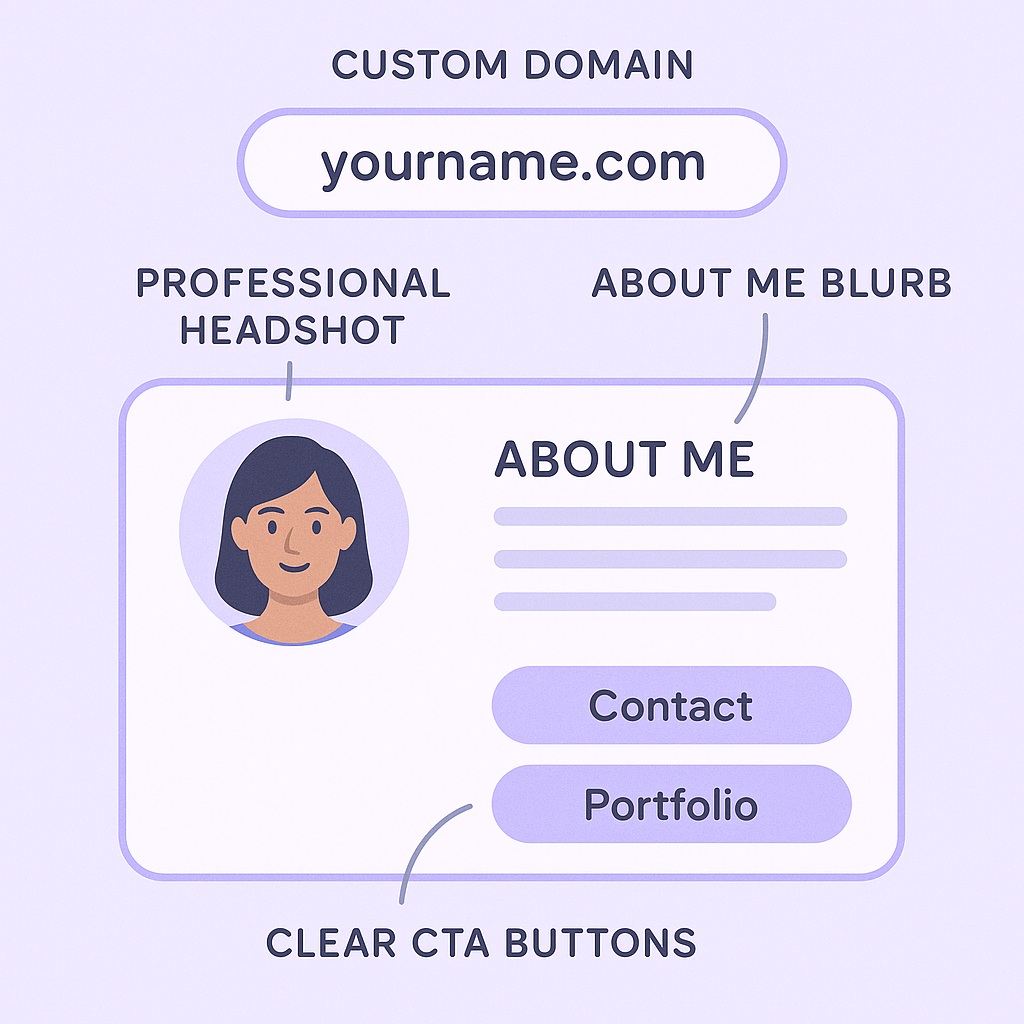
Use a personal domain (e.g., yourname.dev) rather than a generic subdomain, as explained in Cloudflare’s guide to custom domains vs subdomains .
Feature a clear headshot and an “About Me” blurb that highlights your passions alongside your professional goals.
Include a concise call to action (“Download my resume,” “Let’s collaborate,” or “View my GitHub”) to guide visitors.
Make contact effortless: list email, LinkedIn, or a contact form on every page, following Nielsen Norman Group’s best practices for contact form usability .
Feature Projects That Tell a Story
Rather than dumping links to code repos, turn your work into narratives that demonstrate your thought process.
Prioritize three to five standout projects.
For each, write a case study or post-mortem (see HubSpot’s comprehensive guide to writing case studies ):
- The problem you tackled.
- Your role and key decisions.
- Technologies you chose and why.
- Challenges you faced and how you overcame them.
- Concrete outcomes (metrics, user feedback, performance gains).
Design and Accessibility for Every Visitor
A sleek interface and inclusive design signal professionalism and empathy.
Opt for a clean layout with clear navigation—labels like “Projects,” “About,” and “Contact” should be obvious.
Ensure mobile responsiveness so your portfolio looks polished on phones and tablets.
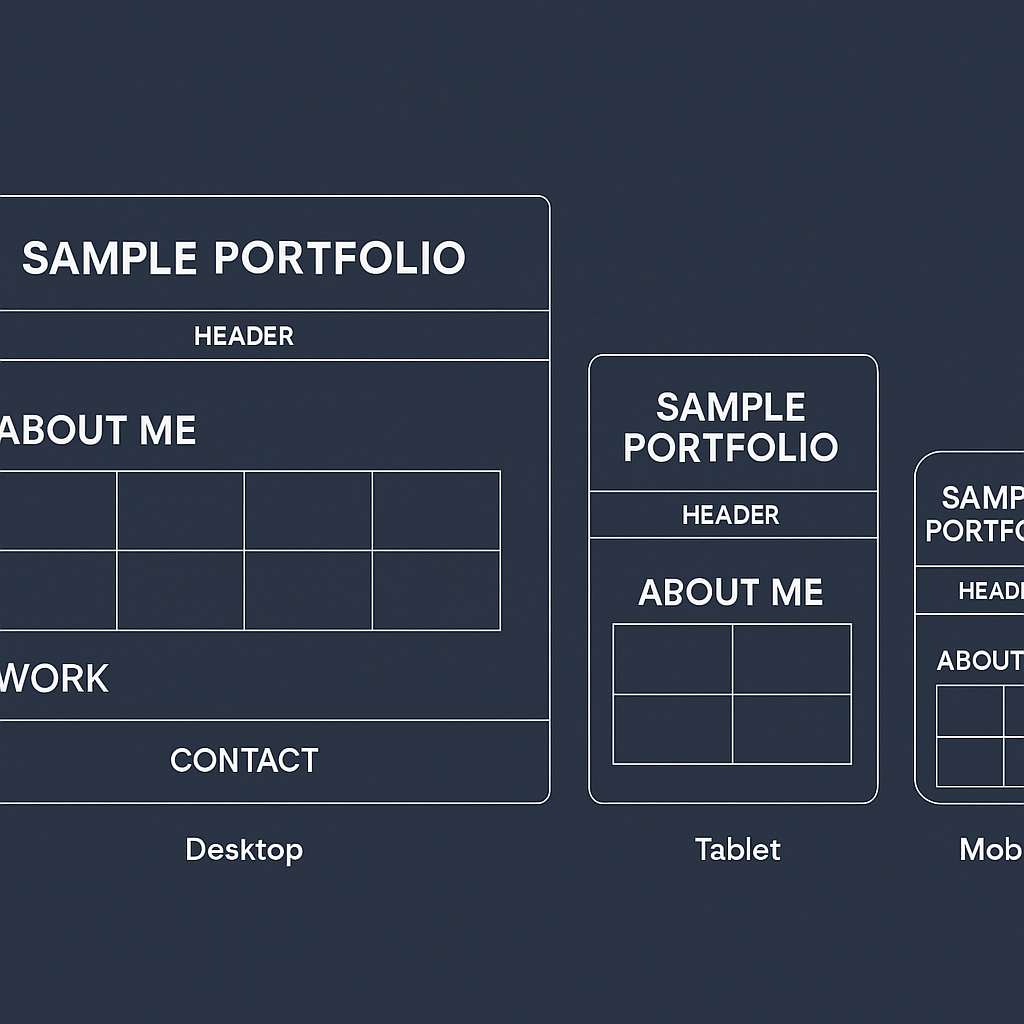
Minimize load times by optimizing images, leveraging modern frameworks, and following performance practices outlined in web.dev’s guide to website performance optimization .
Accessibility Best Practices
Demonstrate your awareness of inclusive design by following standards:
Provide keyboard navigation support and focus indicators.
Use color contrasts that meet WCAG guidelines (minimum 4.5:1 ratio).
Add ARIA labels where needed to help screen readers.
Get Found and Measure Success
A beautiful portfolio won’t help if no one sees it. Use basic SEO and analytics to optimize visibility and track engagement.
Craft descriptive page titles, meta descriptions, and header tags around keywords like “software developer portfolio.”
Submit a sitemap to Google Search Console following Google’s SEO Starter Guide..
Install Google Analytics to see which pages get the most views and how long visitors stay[4]. Use that data to refine project descriptions or reorganize your layout.
Stand Out with Interactive Elements
Adding playful or interactive features can make your portfolio unforgettable.
Look at Bruno Simon’s 3D-driving portfolio as inspiration: visitors navigate a tiny car through his work.
Embed simple mini-games or animations that reflect your personality—just don’t sacrifice performance.
Balance fun with function: ensure interactive bits degrade gracefully if scripts fail.
Dodge the Usual Traps
Even experienced devs fall into these pitfalls. Steer clear:
Treating your portfolio like a resume (“Curriculum Vitae” posted PDF).
Showcasing only school assignments rather than real-world or passion projects.
Overlooking grammar, broken links, or 404 errors.
Forgetting a clear call to action or making contact info hard to find.
Neglecting to tailor descriptions to the roles you want.
Keep Evolving Your Showcase
A static portfolio suggests stagnation. Make iteration part of your routine:
Proofread and test new features in different browsers every time you update.
Ask peers or mentors for feedback quarterly.
Add fresh projects or update existing case studies as you learn new tools.
Treat your portfolio as a continuous side project—reflecting both your growth and your latest skills.
Next-Level Showcasing
You’ve now got the blueprint for a portfolio that looks great, ranks well in search, and truly reflects who you are as a developer. By blending strong personal branding, compelling project narratives, inclusive design, performance tracking, and even a dash of interactivity, you’ll build a site that recruiters and clients won’t just glance at—they’ll remember.
:format(webp))
:format(webp))
:format(webp))