:format(webp))
:format(webp))
How ReactJS Development Agencies Take Your MVP to Scalable Success
When you’re ready to transform your idea into a market-ready application—and then grow it without hitting major roadblocks—ReactJS development agencies play a key role. In this article, you’ll learn how they help you launch a Minimum Viable Product (MVP), put scalability and performance first, and introduce advanced practices such as design systems, internationalization, progressive web apps, real-time features, accessibility audits, cloud-native deployments, cost controls, and data-driven decision-making.
From Idea to MVP: Why ReactJS Is a Top Choice
An MVP (Minimum Viable Product) is the simplest version of your app that still delivers real value to early users. By focusing on core features, you can test assumptions quickly and adjust before making big investments, reducing time to market and avoiding costly rework.
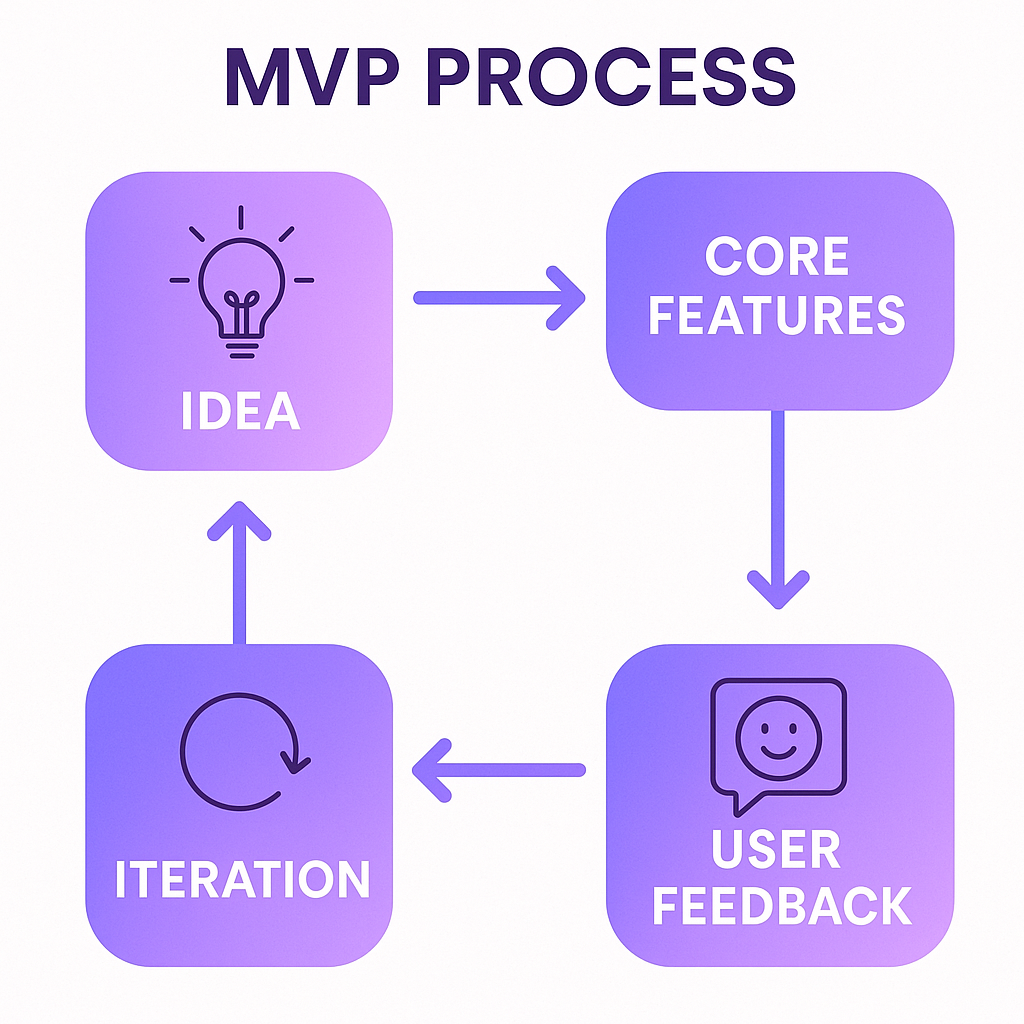
ReactJS shines for MVPs because it offers:
Reusable components, speeding up development through modular design
A vast ecosystem of libraries that cuts down on custom code
A strong community with ready-made solutions for many common needs
Building a Solid Architecture for Growth
Before you add features, you need an architecture designed for change and resilience.
Design Systems & Component Libraries
A shared design system ensures consistent UI/UX as your team grows.
Storybook lets you develop, test, and document components in isolation with its component-driven development environment.
Material-UI provides a comprehensive React component library and theming tools that adhere to Material Design principles.
Feature | Storybook | Material-UI |
|---|---|---|
Purpose | - Develop & test UI components<br>- Documentation | - Prebuilt React component library<br>- Rapid UI creation |
Key Strength | - Isolated component dev<br>- Visual testing | - Ready-made components<br>- Theme customization |
Use Cases | - Component documentation<br>- Design system demos<br>- QA review | - Production UIs<br>- Fast prototyping<br>- Themed applications |
Theming Support | - Integrate custom themes for testing | - Built-in theming engine<br>- Extensive style overrides |
Cloud-Native & Serverless Deployment
Elastic scaling in the cloud prevents downtime and keeps costs predictable.
By using AWS Lambda functions, you run code on demand and pay only for execution time, eliminating server management.
Vercel’s zero-configuration deployments are optimized for React, offering automatic CDN caching and instant global rollouts.
Provider | Setup | Scaling Model | Pricing | Optimized Features |
|---|---|---|---|---|
AWS Lambda | Function triggers | Auto scale per invocation | Pay per execution time | No server management required |
Vercel | Git-based deploys | Automatic CDN-based scaling | Free tier & usage-based plans | CDN caching, optimized for React |
Performance Optimization
Agencies implement techniques such as code splitting and lazy loading to reduce initial bundle size and speed up renders, following best practices outlined in the React performance optimization guide.
Advanced Strategies for Enterprise-Level Growth
Internationalization & Localization
Reaching global users means translating content and adapting layouts for different cultures and languages.
The i18next library handles translations, plurals, and right-to-left text with simple configuration.
Planning keys from day one ensures you avoid hard-coded strings and painful refactors as you roll out additional languages.
Progressive Web Apps (PWAs)
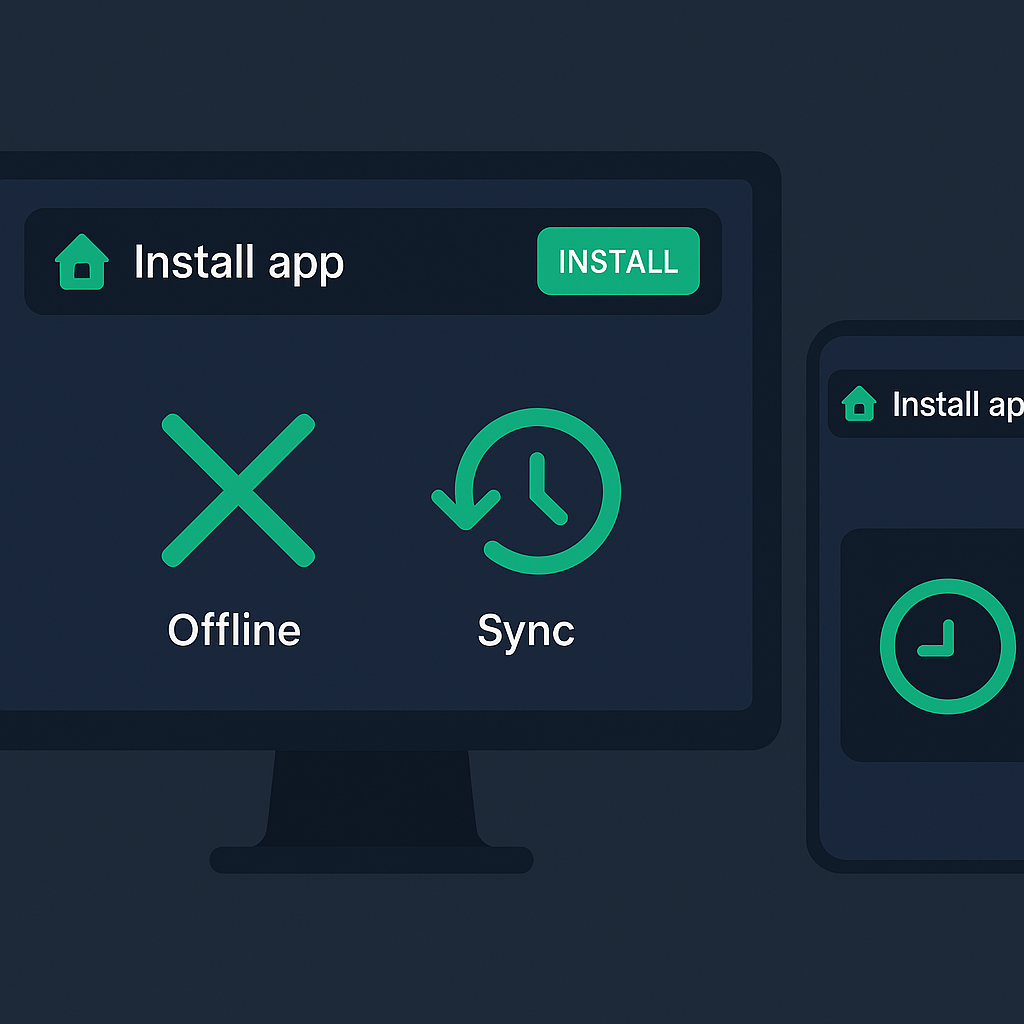
PWAs make your React app installable on desktops and mobile, with offline support and background sync.
The Workbox suite simplifies service-worker generation, caching strategies, and offline handling.
This approach boosts engagement: users return more often when they can access your app seamlessly, even with spotty connectivity.
Real-Time Data with WebSockets
For chat applications, live dashboards, or collaborative tools, low-latency two-way communication is essential.
Socket.IO integrates easily with React to provide event-driven real-time channels.
Architecting with message brokers like Redis Pub/Sub can further boost throughput and reliability under heavy load.
Keeping Your Code Healthy and Reliable
Handling Legacy Code & Technical Debt
When scaling beyond an MVP, agencies often encounter older code that needs refactoring. They’ll:
Audit the codebase for outdated patterns and accumulated debt using resources like the Refactoring.Guru technical debt overview.
Introduce unit tests around high-risk modules to ensure existing behavior remains intact.
Incrementally refactor toward cleaner abstractions, reducing maintenance costs over time.
Automated Testing & CI/CD Pipelines
A robust pipeline catches regressions early and accelerates delivery:
Unit tests with the Jest framework validate individual functions and components.
Integration and end-to-end tests with Cypress simulate real user flows.
Continuous integration via GitHub Actions automates builds and test runs on every commit.
Accessibility Compliance (a11y)
Growing apps must remain usable for everyone, including people with disabilities.
Tools like Deque’s axe-core documentation help audit against accessibility standards.
Aligning your app with the WCAG guidelines and remediating issues such as missing alt text or improper ARIA roles should be part of each sprint.
Balancing Growth with Cost and Insight
Cost Optimization Techniques
Adopt serverless functions like Cloudflare Workers for spiky workloads, eliminating cold-start overhead.
Use Azure Virtual Machine Scale Sets to automatically adjust capacity based on demand.
Cache aggressively at CDN edges using platforms such as Cloudflare’s caching solutions to lower origin requests.
Data Analytics & User Behavior Tracking
Understanding how users interact with your MVP guides your next investments:
Integrate Google Analytics for broad engagement metrics and audience insights.
Use Mixpanel for event-driven analysis and funnel tracking, so you can double down on high-impact features and cut what isn’t performing.
Finding the Right Partner for Your ReactJS Journey
Choosing an agency isn’t just about rates. Look for:
Proven React expertise, demonstrated through detailed case studies
A strong portfolio spanning MVP launches and enterprise-level scaling
Clear communication workflows, such as defined Agile ceremonies
Transparent pricing models and post-launch support commitments
Client testimonials and technical audits can reveal how they handle long-term partnerships and evolving requirements.
Your Launchpad to Scalable Success
With the right ReactJS agency, your MVP isn’t just a prototype—it’s the seed of a product that can grow globally, handle real-time demands, stay accessible, keep costs in check, and continuously improve. By integrating design systems, internationalization, PWAs, robust testing, and analytics from day one, you set the stage for sustainable growth. Now it’s time to pick a partner who shares your vision—then watch your idea transform into a thriving, scalable application.
:format(webp))
:format(webp))
:format(webp))