:format(webp))
:format(webp))
Securing Your Token Sale Website: A Comprehensive Guide
By the end of this guide, you’ll have a clear roadmap to protect your token sale site from cyberthreats, meet legal and accessibility requirements, offer a smooth experience for investors worldwide, and respond rapidly if something goes wrong.
Why Security Matters for Your Token Sale
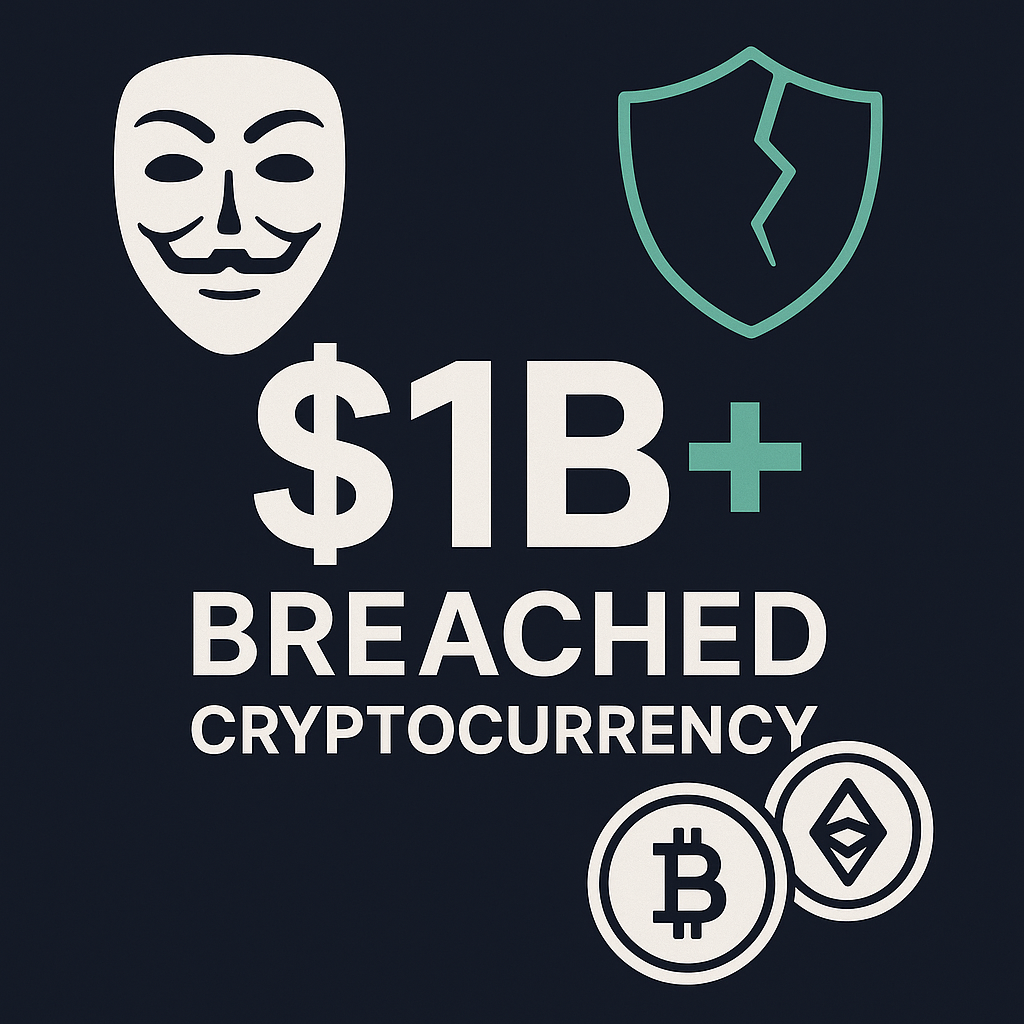
A single breach can erode trust, derail fundraising, and expose you to legal action. In 2017, ICO hacks stole over $1 billion worth of crypto assets , showing how critical solid defenses are.
Identifying Common Vulnerabilities
Before you lock things down, you need to know what to look for:
Vulnerability | Description |
|---|---|
Injection flaws | Occur when untrusted data is sent to an interpreter, leading to unauthorized commands or data access. |
Cross-site scripting (XSS) | Allows attackers to inject malicious scripts into content viewed by other users. |
Broken authentication | Happens when authentication or session management is poorly implemented, enabling attackers to compromise accounts. |
Misconfigured security headers | Result from missing or improperly set HTTP headers that help protect against common attacks. |
Injection flaws (SQL, NoSQL, command)
Cross-site scripting (XSS)
Broken authentication and session management
Misconfigured security headers
Conduct penetration tests and vulnerability scans at least quarterly, starting with the OWASP Top Ten list of the most critical web application security risks.
Penetration Testing and Scanning
Use automated tools like OWASP ZAP’s automated scanner and schedule a professional penetration test annually. That way, you spot new weaknesses before attackers do.
Core Technical Defenses
Defense | Function | Example/Tool |
|---|---|---|
SSL/TLS | Encrypts data in transit to prevent eavesdropping | TLS 1.2 or higher ( Digicert SSL/TLS ) |
Web Application Firewall | Filters malicious requests (e.g., SQLi, XSS) | Cloudflare WAF ( Cloudflare WAF Overview ) |
DDoS Protection | Absorbs or filters traffic surges from volumetric attacks | Akamai DDoS Protection ( Akamai Solutions ) |
Two-Factor Authentication (2FA) | Adds extra authentication step for admin access | Authenticator Apps ( NIST 2FA Guidelines ) |
Strong Access Controls | Limits privileges to only what’s necessary (least privilege) | Role-based Controls ( CIS Least Privilege Guide ) |
Secure Socket Layer (SSL/TLS)
Ensure every page—especially your transaction endpoints—uses TLS 1.2 or higher to encrypt data in transit and protect against eavesdropping.
Web Application Firewall (WAF)
A WAF filters malicious requests (SQLi, XSS) before they hit your servers, such as Cloudflare’s WAF overview .
DDoS Protection
Use services that absorb or filter traffic surges—see Akamai’s DDoS protection solutions —to keep your site online during volumetric attacks.
Two-Factor Authentication (2FA)
Require 2FA for all admin access, following NIST’s guidelines on multi-factor authentication .
Strong Access Controls
Enforce the principle of least privilege by defining granular roles and permissions—refer to the CIS white paper on least privilege best practices .
Secure Coding Frameworks
Adopt frameworks with built-in protections—such as Django for Python or Spring Security for Java—to reduce common coding mistakes and ensure standardized security controls.
Proactive Monitoring & Incident Response
Schedule regular security audits—including code reviews, dependency checks, and server hardening—to maintain a strong security posture.
Implement real-time transaction monitoring to flag suspicious activity or potential market manipulation. Tools like Chainalysis Reactor can alert you to anomalous flows on the blockchain.
Develop an Incident Response Playbook tailored to token sales, covering:
1. Immediate containment steps
2. Stakeholder notification protocols
3. Regulatory reporting timelines
4. Post-mortem analysis and remediation
Compliance, Jurisdiction & Geo-Blocking
Meeting regulations is as important as technical defense:
KYC/AML Checks
Integrate with trusted providers and follow FinCEN’s KYC/AML guidance to verify investor identities and screen against sanction lists.
Geo-Blocking Restricted Regions
Use CDN settings—such as Amazon CloudFront georestrictions —to prevent access from countries where your token sale may violate securities laws.
Privacy Policy & Terms
Clearly display data-collection practices, user consent mechanisms, and legal terms to comply with privacy regulations.
Accessibility & Global Reach
You want every potential investor to participate:
WCAG Compliance
Follow the Web Content Accessibility Guidelines (WCAG 2.1) so users with disabilities can navigate your sale seamlessly.
Multi-language Support
Offer interfaces and whitepapers in key languages—supported by best practices from UNESCO’s language preservation initiatives —to broaden your global audience.
User Experience & Performance
Security shouldn't slow you down:
Clear Navigation & Mobile-First Design
A simple, responsive layout builds trust and reduces bounce rates.
Scalability
Use a CDN to cache static assets globally
Employ load balancing across multiple servers
Implement database indexing and query optimization
Leverage in-memory caching (e.g., Redis, Memcached)
Building Credibility
Trust accelerates conversion:
Publish a detailed whitepaper and roadmap.
Highlight core team profiles with professional LinkedIn links.
Provide clear contact information, social channels, privacy policy, and terms of service.
Pre-Launch, Launch & Beyond
Test everything—functional, performance, security.
Launch with a soft opening for a small group to gather feedback.
Track on-chain and off-chain metrics (participation rates, average transaction size, downtime).
Plan ongoing audits, code updates, and community updates.
Your Next Secure Sale Awaits
You’ve now got a full checklist—from technical defenses and legal guardrails to accessibility and incident playbooks. Implement these steps to run a token sale that’s resilient, compliant, and welcoming to investors worldwide.
:format(webp))
:format(webp))
:format(webp))