:format(webp))
:format(webp))
ReactJS for Healthcare App Development: Bridging Innovation and Compliance
In this article, you’ll discover how ReactJS combines speed, modularity, and security to power modern healthcare applications. You’ll learn about its core benefits, compliance strategies, integration with standards like FHIR and HL7, and advanced practices—such as accessibility, automation, and real‐time data visualization—that set your app apart.
Why ReactJS is Gaining Traction in Healthcare
ReactJS’s component-based architecture helps you build UIs that are easy to maintain and test. Its virtual DOM boosts performance by minimizing full-page re-renders, essential for data-heavy patient dashboards. Unidirectional data flow keeps state predictable, reducing bugs in complex workflows.
Key Features Powering Healthcare Solutions
Reusable components: Build a “patient card” once, use it across charts, appointments, billing.
Virtual DOM: Updates only the parts of the UI that change, keeping interfaces snappy[^1].
JSX syntax: Makes templates and logic easier to read and review during audits.
Ecosystem tools: Integrate Redux or React Query for stable state management across modules.
Feature | Benefit |
|---|---|
Reusable components | Build once, use across charts, appointments, billing |
Virtual DOM | Minimizes re-renders for performance |
JSX syntax | Readable templates and logic for audits |
Ecosystem tools | Stable state management with Redux or React Query |
Ensuring Compliance and Security in Healthcare with ReactJS
Meeting HIPAA and GDPR regulations is non-negotiable. React itself is agnostic, but your implementation can enforce robust controls:
End-to-end encryption for API calls and local storage
Role-based UI rendering to hide PHI from unauthorized users
Automated vulnerability scanning in your CI/CD pipeline using tools like Snyk or OWASP ZAP
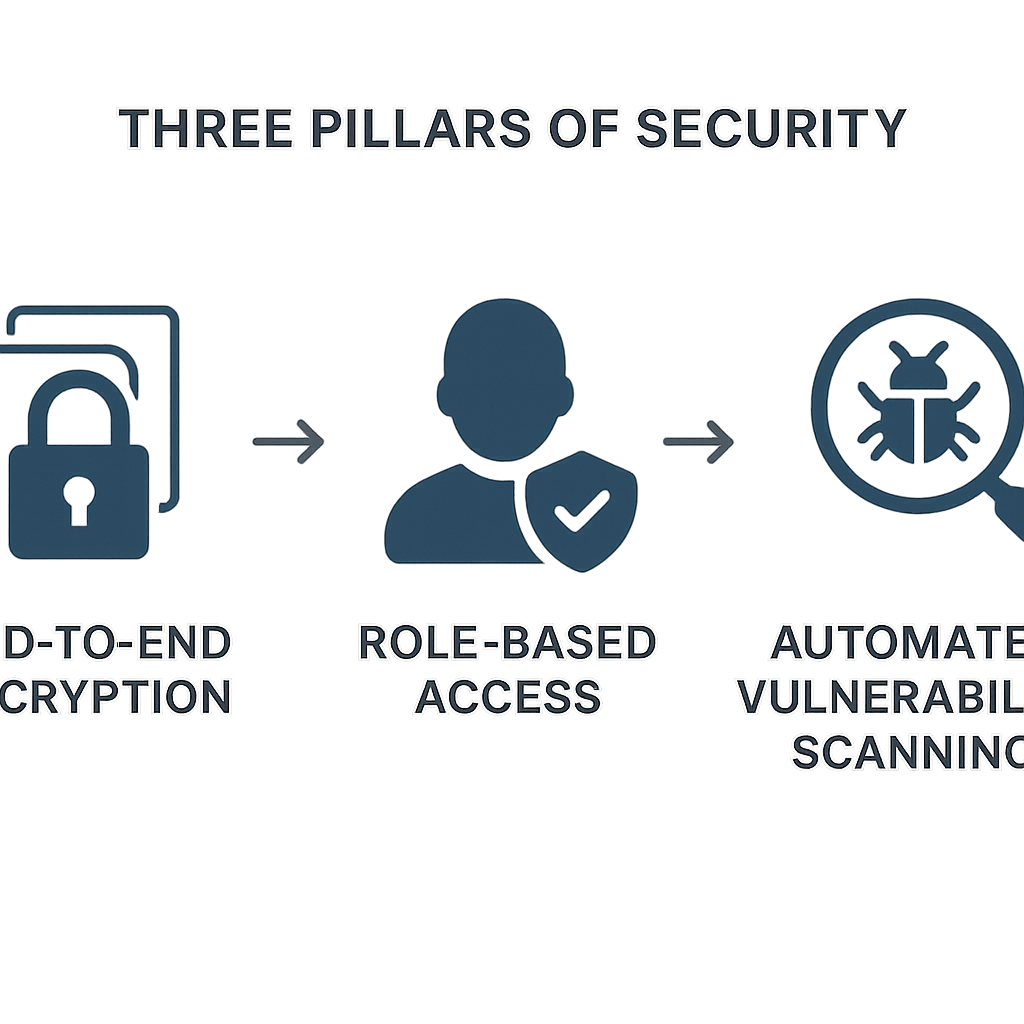
“Security must be woven into every level of your app, not bolted on afterward.”
Beyond Compliance: Proactive Security Measures
Adopt Content Security Policy (CSP) headers and regular dependency audits to stay ahead of emerging vulnerabilities.
Integrating with Healthcare Standards: FHIR and HL7
ReactJS can interface with FHIR (Fast Healthcare Interoperability Resources) or HL7 APIs to enable real-time data exchange between EHR/EMR systems. By fetching structured JSON bundles from a FHIR server , you can display patient vitals, medication lists, or encounter histories seamlessly.
Query a FHIR endpoint for patient data:
fetch('/fhir/Patient/123')

.then(res => res.json())

.then(patient => setPatient(patient));
Subscribe to an HL7 v2 event stream to update appointment statuses live.
Real-Time Data Visualization Dashboards
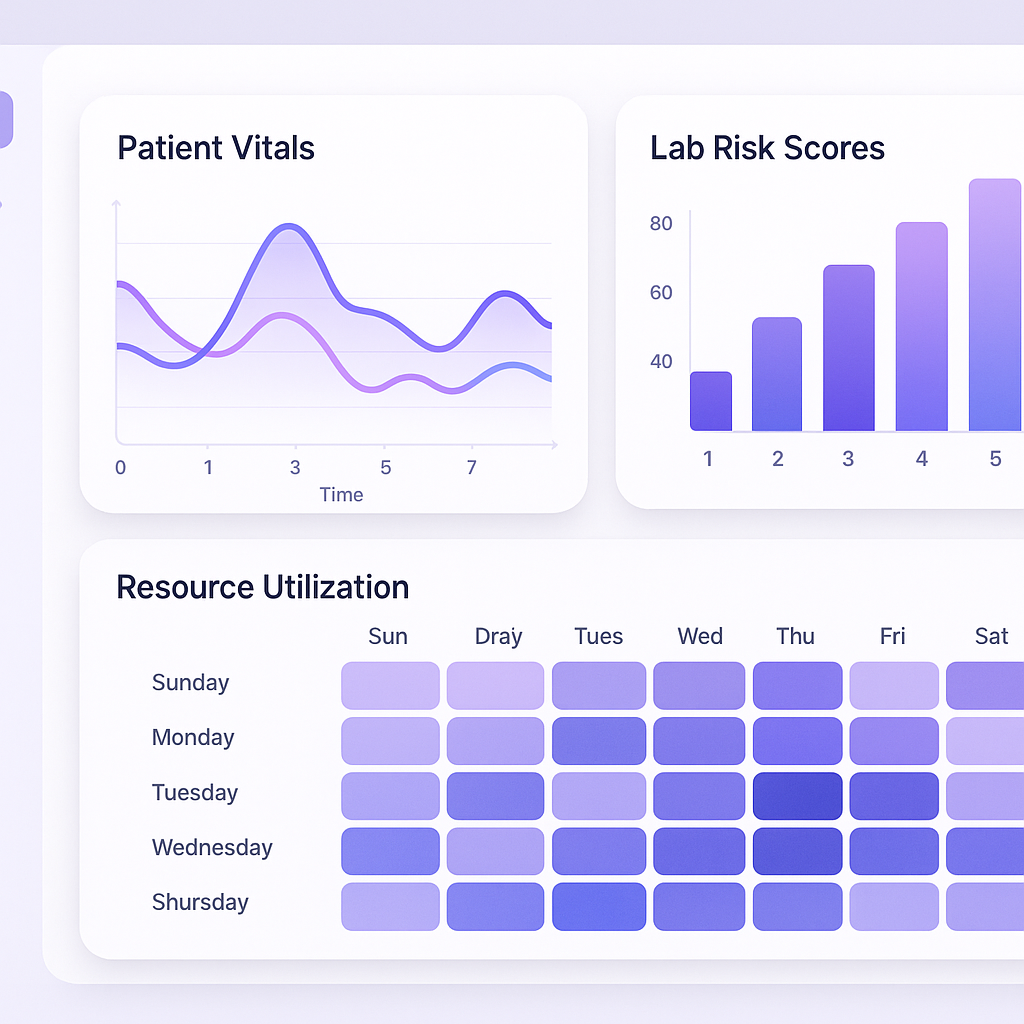
By combining React with libraries like D3.js , you can build live dashboards that show:
Patient vital trends
Lab results with AI-driven risk scores
Resource utilization across departments
This empowers clinicians to make faster, data-driven decisions.
Enhancing Accessibility and User Experience
An inclusive UI serves all patients, including those with disabilities or limited English proficiency. Implement:
ARIA roles and labels for screen-reader compatibility
Keyboard-only navigation for users who can’t use a mouse
Multilingual support via i18n libraries (e.g., react-i18next) to swap labels, placeholders, and error messages on the fly
WCAG 2.1 success criteria guide these practices[^2].
Accelerating Development with Component Libraries
Component libraries save weeks of work and come with built-in theming, responsiveness, and accessibility:
Material-UI : Comprehensive React components with theming
Tailwind UI: Utility-first CSS components you can style via classes
Custom healthcare-focused kits: Pre-built patient forms, consent dialogs, and telehealth widgets
Using these libraries ensures consistent branding and behavior across your application.
Modernizing Legacy Systems and Enabling Scalability
You can wrap existing JSP or Angular pages in React “shells,” gradually migrating to a microservices-driven, cloud-native architecture. Benefits include:
Lower technical debt
Independent deployment of features
Easier testing and rollback
Serverless functions for cost-effective scale
Cloud-Native Architectures for Global Scale
Deploy your React app on CDNs and use serverless backends ( AWS Lambda ) to handle spikes in traffic—essential for telehealth surges.
Automating Workflows and Improving Operational Efficiency
ReactJS can power interfaces for automated workflows:
Medication reminders with push notifications
Pre-visit questionnaires that adapt based on patient responses
Billing status trackers that update in real time
By reducing manual steps, staff can focus on patient care.
Cross-Platform and Mobile-First Solutions with React Native
Share up to 90% of your React codebase between web and mobile using React Native. This ensures:
Consistent UI/UX on Android and iOS
Faster feature parity
Lower maintenance overhead
Advanced State Management for Predictable Data Flow
Managing complex forms and real-time feeds gets easier with:
Redux Toolkit for standardized reducers and middleware
React Query for caching, background updates, and retry logic
Context API for lightweight, local state
These tools help you avoid “spaghetti state” in large healthcare apps.
A Glimpse into Tomorrow’s Healthcare UIs
Emerging trends include:
Voice interfaces for hands-free charting
AI-powered triage bots embedded in React components
Augmented reality overlays for surgical planning
As React evolves, so will these experiences.
Your Path to Smarter, Safer Healthcare
By combining ReactJS’s performance, modularity, and ecosystem with rigorous security, accessibility, and interoperability practices, you can deliver applications that delight users and comply with the most stringent healthcare standards. Start small—integrate a single React widget into a legacy page—then scale up to a full micro-frontend architecture. Your next-generation healthcare app awaits.
:format(webp))
:format(webp))
:format(webp))